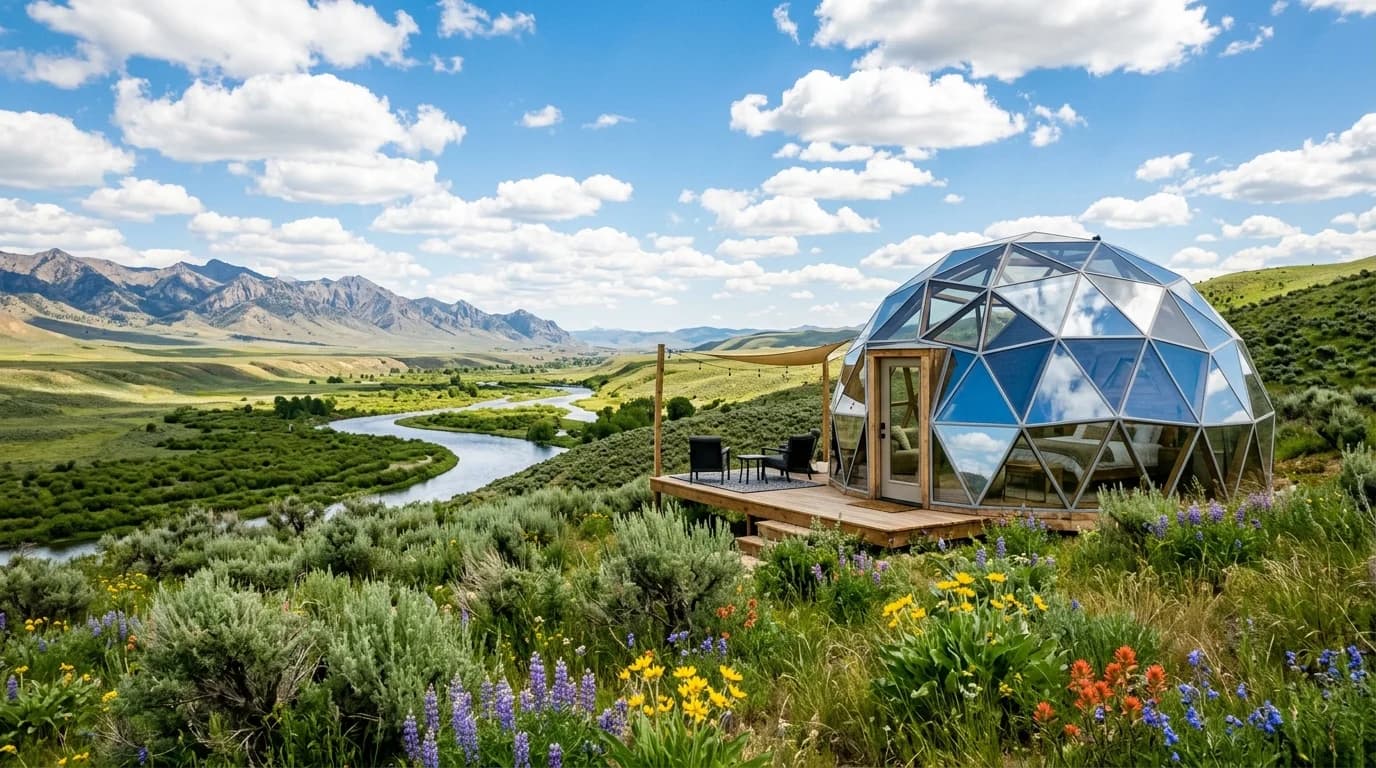
Twin Falls sits at the edge of one of the most dramatic canyons in the American West, and the outdoor recreation options here are absurdly good for a city of 50,000 people. The Snake River Canyon runs right through town, volcanic desert stretches in every direction, and within a two-hour drive you can go from high desert sagebrush to alpine peaks above 9,000 feet. This is the complete guide to outdoor adventures near Twin Falls, Idaho — written for people who actually want to get out there, not just scroll through stock photos.
Why Twin Falls Is an Adventure Hub
Most people hear "Idaho" and think Sun Valley or McCall. Twin Falls doesn't have the same name recognition, and honestly, that's part of what makes it great. The Snake River Canyon — 500 feet deep and a quarter mile wide — cuts through the middle of town. You can eat breakfast downtown, watch someone jump off a bridge with a parachute, hike a canyon trail, paddle a river, and still make it back for dinner. There aren't many places in the country where that's possible.
The geography here is unique. You're on the Snake River Plain at roughly 3,700 feet of elevation, surrounded by volcanic terrain that was shaped by the Bonneville Flood roughly 14,500 years ago. That flood carved the canyon, exposed basalt columns, and left behind features like Pillar Falls and Box Canyon that look like they belong in Iceland, not Idaho. The climate is high desert — hot summers, cold winters, and around 300 days of sunshine per year. That means most outdoor activities are accessible for eight or nine months, and winter opens up its own set of options.
Twin Falls also sits at the crossroads of some serious adventure corridors. Sun Valley is 90 minutes north. The Sawtooth Mountains are two hours away. City of Rocks, one of the best climbing destinations in the West, is an hour southeast. The Bruneau Dunes — the tallest single-structured sand dune in North America — are 45 minutes west. This is a basecamp for the entire Magic Valley region.
BASE Jumping at Perrine Bridge
Perrine Bridge is the single most famous outdoor attraction in Twin Falls, and for good reason. It's the only place in the United States where you can legally BASE jump year-round without a permit. No registration, no fees, no government approval — just show up with your gear, check conditions, and go.
The bridge spans the Snake River Canyon at 486 feet above the canyon floor, which gives jumpers roughly five seconds of freefall before deploying their parachute. On any given day between spring and fall, you'll see anywhere from a handful to dozens of jumpers launching off the bridge deck. The pedestrian walkway on the north side of the bridge gives spectators a front-row view of the entire sequence — the climb over the railing, the moment of stillness, the jump, the canopy opening, and the landing on the canyon floor below.
For Jumpers
If you're a qualified BASE jumper, Perrine Bridge is a must-do. A few things to know:
- Experience required: This is not a tandem or introductory jump. You need your own gear and enough experience to manage a sub-terminal opening. Most jumpers have at least 200 skydives and BASE-specific training before attempting a bridge jump.
- Wind matters: The canyon creates its own wind patterns. Mornings tend to be calmer. Local jumpers know the conditions well, and the community is generally welcoming if you show up prepared and respectful.
- Landing zone: The LZ is on the canyon floor, accessible by the trail that drops down from the bridge's south end. Plan your exit strategy — you'll need to hike your gear back up.
- Time of year: Jumpers come year-round, but the busiest season runs from April through October. Winter jumps happen but require more attention to wind chill and canyon thermals.
For Spectators
Even if you never plan to jump, watching BASE jumping at Perrine Bridge is genuinely thrilling. The pedestrian walkway is free and open during daylight hours. Weekends and summer evenings are your best bet for seeing multiple jumps. Bring binoculars if you want to watch the canopy rides down to the canyon floor.
The bridge itself is worth the walk even without jumpers. The views of the Snake River Canyon from 486 feet up are stunning in any direction, and on clear days you can see the Sawtooth range to the north.
Hiking Near Twin Falls
The hiking near Twin Falls won't remind you of the Tetons — there are no 12,000-foot peaks on the horizon. What you get instead is canyon terrain, volcanic formations, desert landscapes, and water features that are unlike anything else in the region. Most trails are accessible year-round, with spring and fall offering the best conditions.
Centennial Waterfront Trail
The Centennial Trail follows the canyon rim from near Shoshone Falls west toward downtown Twin Falls and the Perrine Bridge. Paved sections make it accessible for strollers and wheelchairs, while unpaved spurs drop down closer to the canyon edge. This is the trail most locals use for daily walks and runs. The views of the canyon are constant, and you'll pass overlooks, interpretive signs, and several access points to other trails. Early morning is the best time in summer — the light on the canyon walls is worth the early alarm.
Box Canyon State Park
Box Canyon is a collapsed lava tube that feeds a year-round waterfall into a pool at the base of a natural amphitheater. The main trail drops down wooden stairs to a viewing platform at the base of the 60-foot falls. The canyon walls are sheer basalt, and in spring the volume of water is impressive. This is one of the most photogenic spots in the Magic Valley. There's also a short nature trail along the canyon rim. Idaho State Parks pass or day-use fee required.
Auger Falls Heritage Park
Auger Falls is where locals go when they want a real hike without driving far. The park sits on the south rim of the Snake River Canyon, with trails that drop down to the river level. The signature feature is the series of rapids and cascades where the Snake River narrows through a basalt choke point. Trails are mostly dirt singletrack, and the terrain gets rocky near the canyon floor. In spring, the wildflowers on the canyon slopes are surprisingly diverse. Dogs are allowed on leash.
Pillar Falls Trail
The trail to Pillar Falls drops about 350 feet from the canyon rim to the river level. The "pillars" are basalt columns standing in the Snake River — remnants of harder rock that resisted erosion while the softer material around them washed away. At low water levels (late summer and fall), you can walk across the rock shelf to the base of the pillars. The descent is steep and rocky in places, so wear proper footwear. This trail feels remote despite being minutes from town.
Balanced Rock
Balanced Rock is a 40-foot mushroom-shaped formation perched on a narrow pedestal of rock. It's more of a stop than a hike, but it's worth seeing. The surrounding area has short walking trails through sagebrush desert with views of Salmon Falls Creek Canyon. Combine this with a drive down to the Salmon Dam for a half-day outing.
Ritter Island and Thousand Springs
Ritter Island sits in the middle of the Snake River, connected by a bridge, with walking trails, picnic areas, and views of Thousand Springs — the series of waterfalls and seeps that emerge from the canyon walls. The springs are fed by water that entered the ground near Craters of the Moon, 100 miles northeast, and traveled underground through porous basalt for decades. The resulting waterfalls are ethereal, especially in morning light. Niagara Springs, a separate unit of Thousand Springs State Park about 10 minutes away, is a 250-foot cascade that flows year-round and is equally worth the stop.
Water Adventures on the Snake River
The Snake River through the Twin Falls area is a working river — irrigation, fishing, and recreation share the water — but the sections accessible to paddlers and anglers are genuinely excellent. The river below the canyon provides calmer stretches for paddling, while the canyon sections above the falls offer more challenging whitewater.
Kayaking and Paddleboarding
The most popular paddling stretch runs from Centennial Park downstream toward Auger Falls. This section is mostly flatwater with some gentle riffles, suitable for intermediate kayakers and confident stand-up paddleboarders. The canyon walls rising on both sides make it one of the more scenic urban paddles you'll find anywhere.
For more adventurous paddlers, the Murtaugh section upstream offers Class III-IV whitewater through a tighter basalt canyon. This section should only be attempted by experienced whitewater kayakers who've scouted the rapids or are with a guide service. Water levels vary significantly with irrigation releases, so check flows before heading out.
Several local outfitters offer kayak and SUP rentals, typically from May through September. Expect to pay $40-$60 for a half-day rental. Guided trips are available for those who want local knowledge of the best sections and put-in/take-out logistics.
Fishing the Snake River
Snake River Idaho fishing is some of the best in the state, and the Twin Falls area sits in a sweet spot. The river here supports both warm-water and cold-water fisheries, depending on the section.
What you'll catch:
- Rainbow trout — Stocked regularly and found throughout the river system. The cold, spring-fed tributaries near Thousand Springs are particularly productive.
- Brown trout — Less common but present, especially in deeper pools and around structure.
- Smallmouth bass — Increasingly popular in the warmer, slower sections below the canyon. Summer months are best.
- Sturgeon — Yes, white sturgeon swim in the Snake River. The section below Shoshone Falls downstream to C.J. Strike Reservoir holds fish that can reach six feet or more. Sturgeon fishing here is catch-and-release only and requires specific gear (heavy tackle, cut bait). It's a bucket-list fishery that most visitors don't know about.
- Channel catfish — Found in the warmer backwaters and sloughs, especially in summer.
Access points: Centennial Park, Auger Falls, Murtaugh Reach (requires a bit of driving), and several BLM access points downstream. An Idaho fishing license is required — pick one up at any sporting goods store in town or buy online through the Idaho Fish and Game website. A three-day non-resident license runs about $40.
Best times: Early morning and evening for trout, midday warmth for bass in summer, and spring through early summer for sturgeon (when flows are higher and the fish are more active).
Dierkes Lake
Adjacent to Shoshone Falls Park, Dierkes Lake is a spring-fed swimming and cliff-jumping spot that locals have used for decades. The cliffs range from about 5 to 30 feet, and the water is cold even in August. The lake is also stocked with trout for fishing. There's a short loop trail around the lake with additional rock scrambling opportunities. No motorized boats allowed.
Rock Climbing
The basalt canyon walls and volcanic formations around Twin Falls provide a surprising amount of quality rock climbing. The rock is primarily columnar basalt — not everyone's favorite medium, but the routes here are well-established and the settings are memorable.
Snake River Canyon Walls
Several developed climbing areas exist along the canyon rim, with routes ranging from 5.6 to 5.12. The basalt columns create natural crack systems and face climbing on textured volcanic rock. Most routes are sport-bolted, though some trad lines exist on the longer walls. Access varies — some areas require rappelling in from the rim, while others can be approached from the canyon floor.
City of Rocks National Reserve
An hour southeast of Twin Falls, City of Rocks is the premier climbing destination in southern Idaho. The granite formations offer over 700 documented routes across every style — crack, face, slab, bouldering — with difficulty from 5.0 to 5.13. The rock quality is excellent, and the spires and domes scattered across the valley floor make for one of the most visually striking climbing areas in the country. Spring and fall are the prime seasons; summer can be hot, though early morning and evening sessions work. A trip to City of Rocks easily fills a full day or a multi-day camping trip.
Castle Rocks State Park
Adjacent to City of Rocks, Castle Rocks has its own set of granite routes and tends to be less crowded. It also offers hiking trails that loop through the formations, so non-climbers in your group can still explore.
Cycling and Mountain Biking
Road Cycling
The flat agricultural roads surrounding Twin Falls are ideal for long road rides, with minimal traffic once you get a few miles from town. The ride south along Rock Creek Road toward the Balanced Rock area offers rolling terrain and open views. For something more demanding, the climb from Twin Falls toward Shoshone to the north gains elevation steadily and puts you into more rugged terrain.
The Canyon Rim Trail doubles as a paved bike path along its western sections, connecting downtown Twin Falls with shopping areas and the college campus. It's more of a commute or casual ride than an adventure, but the canyon views make it more interesting than your average bike path.
Mountain Biking
The trail system south of Twin Falls near the South Hills provides the best singletrack in the immediate area. Trails range from flowy cross-country routes through sagebrush to more technical rock-garden descents. The riding season runs roughly from May through October, depending on snow levels at higher elevations.
For more developed trail networks, the Sun Valley area (90 minutes north) has an extensive system with lift-served downhill options at Baldy. The bike park opens in late June and runs through September.
Winter Adventures
Winter in the Twin Falls area is cold — average highs in the 30s from December through February — but the dry climate means the cold is manageable, and there's plenty to do.
Skiing and Snowboarding at Pomerelle
Pomerelle Mountain Resort sits about 45 minutes south of Twin Falls in the Albion Mountains and is the area's closest ski hill. It's a small, family-friendly resort with 24 runs, two lifts, and 1,000 feet of vertical. The terrain skews intermediate, but there's steep stuff in the trees for advanced skiers. Lift tickets are significantly cheaper than Sun Valley, and weekday crowds are essentially nonexistent. Pomerelle gets an average of 250 inches of snow per year, which is more than many people expect.
For bigger terrain, Sun Valley Resort is 90 minutes north. Bald Mountain has 3,400 feet of vertical, 2,000-plus acres of skiing, and consistently ranks among the best ski resorts in North America. Dollar Mountain, Sun Valley's beginner area, is a genuine learning mountain with wide, groomed runs.
Snowshoeing and Cross-Country Skiing
The South Hills area south of Twin Falls has several informal snowshoe and cross-country skiing routes once snow levels build up, typically from late December through March. The terrain is rolling and forested, offering a quiet alternative to resort skiing.
The trails around Magic Mountain (about 40 minutes south) also see winter use for snowshoeing and backcountry touring. Avalanche awareness is essential in steeper terrain — check the Sawtooth Avalanche Center forecasts before heading out.
Winter Canyon Walks
The Snake River Canyon doesn't close for winter. The Centennial Trail and canyon rim paths are accessible year-round, and walking the canyon rim after a snowfall is one of the most underrated experiences in the area. The contrast of white snow against dark basalt, with the green river 500 feet below, is striking. Microspikes or traction devices are a good idea on icy mornings.
Season-by-Season Guide
Spring (March through May)
Spring is when the Magic Valley wakes up. Snowmelt feeds the Snake River and its tributaries, pushing Shoshone Falls to peak flow between April and early June. This is the best time for waterfall viewing, wildflower hikes, and early-season kayaking (water will be cold — a wetsuit or drysuit is recommended).
- Hiking: Trails at lower elevations dry out by late March. Pillar Falls and Auger Falls are accessible. Higher trails in the South Hills may still have snow into May.
- BASE jumping: Season ramps up in April as weather stabilizes.
- Fishing: Spring runoff can muddy the river, but as flows stabilize in May, trout fishing picks up significantly. Sturgeon season begins.
- Temperatures: Highs range from 50s in March to 70s in May.
Summer (June through August)
Summer is peak season for every outdoor activity except skiing. Expect hot days (85-100 degrees), cool mornings, and long daylight hours. The Snake River drops to its lowest levels by late August, which opens up rock-hopping at Pillar Falls and makes some fishing spots more accessible.
- Water activities: Prime time for kayaking, paddleboarding, and swimming at Dierkes Lake.
- Hiking: Start early to beat the heat. Canyon bottom trails can be 10-15 degrees hotter than the rim.
- BASE jumping: Busiest season. Weekend afternoons at Perrine Bridge can see dozens of jumps.
- Cycling: Early morning rides before temps climb. Road cycling is excellent in the long evening light.
- Climbing: Head to City of Rocks early in the day. Afternoon shade helps on the west-facing formations.
Fall (September through November)
Fall is arguably the best season for outdoor adventures near Twin Falls. The summer heat breaks, tourist crowds thin, and the light turns golden across the canyon landscape. September and October are mild and dry, with highs in the 60s and 70s.
- Hiking: Perfect temperatures for longer hikes. The cottonwoods along the river turn yellow in October.
- Fishing: Fall is excellent for trout as water temperatures cool and fish become more active. Brown trout spawn in the fall, making them more aggressive.
- Rock climbing: Prime season at City of Rocks and the local canyon walls. Friction improves as temperatures drop.
- Cycling: The best road cycling weather of the year. Less wind than spring, comfortable temperatures.
- Hunting: Upland bird season opens in September, and deer and elk seasons follow in October. The surrounding BLM land and Sawtooth National Forest offer public access.
Winter (December through February)
Winter narrows the options but doesn't eliminate them. Canyon walks, skiing, snowshoeing, and winter photography replace the warm-weather activities. Clear winter days with fresh snow on the canyon rim are genuinely beautiful.
- Skiing: Pomerelle opens in early December (snow dependent). Sun Valley typically opens by Thanksgiving.
- Snowshoeing: South Hills and Magic Mountain areas once snow accumulates.
- Canyon walks: Year-round on the Centennial Trail. Layer up and bring traction.
- Indoor options: The town of Twin Falls has a climbing gym, brewery taprooms, and the Herrett Center for Arts and Science, which includes a planetarium.
- Temperatures: Highs in the low to mid 30s. Below zero is possible but not common.
Where to Stay
Twin Falls has the standard hotel and motel options you'd expect from a regional hub along I-84. For something different, the Magic Valley has a handful of unique lodging options that put you closer to the landscape.
LuxeDen Resorts — Opening in 2027, LuxeDen is a Nordic luxury glamping dome resort set along the river near Twin Falls. It's designed as a true basecamp for outdoor adventures — close enough to town for convenience, but immersed in the high desert landscape with river access. If you want to wake up to the sound of the river before heading out on a canyon hike or a day of paddling, this is the kind of place that changes how a trip feels. The domes blend Scandinavian design with the raw beauty of the Idaho landscape, offering a level of comfort that's hard to find at a traditional campsite.
Camping: Several Bureau of Land Management areas along the Snake River allow dispersed camping (free, no amenities). For developed campgrounds, Schiebel Memorial Park near Murtaugh and the campgrounds at City of Rocks offer sites with water and restrooms.
Vacation rentals: The Twin Falls area has a growing selection of Airbnb and VRBO properties, including some properties along the canyon rim and in the small towns south of the river.
Sun Valley lodging: If you're splitting time between Twin Falls activities and Sun Valley skiing, Ketchum has a range of hotels, lodges, and vacation rentals. The drive between the two areas is about 90 minutes through scenic high desert and mountains.
Keep Exploring
- Shoshone Falls: The Complete Guide
- Snake River Canyon Guide
- BASE Jumping at Perrine Bridge
- 3-Day Idaho Vacation Itinerary
- Twin Falls Complete Travel Guide
- Stargazing in Idaho's Dark Skies
- Glamping in Idaho
The best approach for a multi-day outdoor adventure trip is to base yourself in or near Twin Falls and use it as a hub. Most of the activities described in this guide are within 30 minutes of downtown, and even the further-out destinations like City of Rocks and Pomerelle are under an hour. You'll spend more time on the trails and the river and less time driving — which is the whole point.