Standing at the overlook for the first time, most people say the same thing: "I had no idea this was here." Shoshone Falls drops 212 feet into the Snake River Canyon — 45 feet taller than Niagara Falls — and somehow remains one of the least-known major waterfalls in the country. Locals have been calling it the Niagara of the West since the 1800s, and once you see it at peak flow, you understand why.
This guide covers everything you need to plan your visit: hours, admission, the best time to see the falls at full power, the Shoshone Falls After Dark light show, nearby trails, and practical details that most travel sites skip.
Why Shoshone Falls Is Worth the Trip
The numbers tell part of the story. Shoshone Falls is 212 feet tall and roughly 900 feet wide at full flow. Niagara Falls, by comparison, stands 167 feet. But the comparison only goes so far — Shoshone Falls sits in a high desert canyon carved from volcanic basalt, not surrounded by a city of tourist shops and observation decks. The setting feels raw and Western in a way that Niagara never will.
The Snake River created this falls over thousands of years as it cut through layers of ancient lava flows. The canyon walls are dark basalt columns, and depending on when you visit, the rim above the falls is either bright green with irrigated farmland or the golden brown of high desert sage. It's a striking contrast — one of the most powerful waterfalls in North America sitting in what looks like arid ranch country.
Shoshone Falls has been a landmark for centuries. The Shoshone-Bannock people lived and fished here long before European settlers arrived. Early explorers and Oregon Trail emigrants documented the falls as one of the wonders of the American West. That reputation holds up today. The difference is that, unlike Yellowstone or Glacier, Shoshone Falls never became a national park — so it still feels like you're in on something most travelers miss.
For a deeper look at everything Twin Falls has to offer beyond the falls, check out our complete Twin Falls travel guide.
Hours, Admission and Parking
Shoshone Falls Park is managed by the City of Twin Falls. Here's what you need to know for your visit:
Park hours: The park is open daily from sunrise to sunset, year-round. During the Shoshone Falls After Dark event (typically spring), hours extend into the evening.
Admission fee: $5 per vehicle. This is a flat fee regardless of how many passengers you have, so carpool if you can. The fee is collected at a booth near the park entrance. Cash and cards accepted.
Parking: The main parking lot is paved and reasonably large, but it fills up fast during peak season weekends (mid-April through June). If the main lot is full, overflow parking is available nearby with a short walk to the viewpoints. Arrive before 10 AM on weekends during spring to avoid the crunch.
Facilities: Restrooms are available near the main parking area and at the overlook. Picnic tables and covered shelters sit along the canyon rim. There are no food concessions inside the park, so bring your own.
Pets: Dogs are allowed on leash throughout the park. Bring water for them — the canyon rim can get warm, and there's limited shade on the trails.
Season note: While the park is open year-round, the falls themselves are heavily dependent on water levels. In late summer and fall, irrigation diversions upstream can reduce the falls to a trickle or dry them almost entirely. More on timing below.
Directions to Shoshone Falls
Shoshone Falls is located about 3 miles east of downtown Twin Falls, Idaho. Getting there is straightforward.
From Twin Falls: Head east on Falls Avenue. Follow the signs for Shoshone Falls — the city has them posted at every major turn. The drive from downtown takes about 5 minutes. Falls Avenue turns into East 3300 North, which leads directly to the park entrance.
From I-84: Take Exit 182 (Blue Lakes Boulevard). Head south on Blue Lakes through town, then turn left (east) on Falls Avenue. Follow Falls Avenue east to the park. Total drive from the highway is about 15 minutes.
From Boise: Take I-84 East for approximately 130 miles to Twin Falls. The drive takes about 2 hours. Exit at Blue Lakes Boulevard and follow the directions above.
From Sun Valley/Ketchum: Head south on Highway 75, then connect to Highway 93 south to Twin Falls. The drive is roughly 90 minutes depending on conditions.
GPS coordinates: 42.5934 N, 114.4003 W. Most navigation apps will route you directly to the park entrance if you search "Shoshone Falls Park."
Good to know: The road into the park descends into the canyon via a series of switchbacks. It's paved and well-maintained but narrow in places. RVs and trailers can make it down, but larger rigs should use caution on the turns.
Best Time to Visit Shoshone Falls
This is the single most important thing to get right. Shoshone Falls is a seasonal experience, and the difference between peak flow and late summer is the difference between an unforgettable waterfall and a dry rock face.
Peak flow season: Mid-April through early July. This is when spring snowmelt from the mountains feeds the Snake River, and the falls run at full power. The sound is thunderous, the mist drifts across the canyon, and rainbows form in the spray on sunny afternoons. If you can only visit once, come during this window.
The absolute best time: Late April to mid-May. This is typically when flow peaks. The river is swollen with runoff, the canyon rim is green, and wildflowers are blooming on the surrounding hillsides. Water temperatures in the canyon are still cold, so the mist feels refreshing rather than chilly.
Summer (July-September): Water flow drops significantly as irrigation diversions pull water from the Snake River upstream. By August, the falls can be a fraction of their spring volume — sometimes barely a trickle over the rocks. It's still a scenic canyon, but the waterfall experience is diminished. If you're visiting Twin Falls in summer, go early in the season.
Fall (October-November): Low water continues. The canyon takes on warm tones and the crowds are gone, which has its own appeal, but don't expect a big waterfall.
Winter (December-March): Snow can dust the canyon rim and the basalt walls look dramatic in cold light. Flow is typically low but consistent. The park is quiet and parking is never an issue. Bundle up — canyon rim winds are bracing in winter.
Time of day matters too. Morning light hits the falls from the east and is best for photography. Late afternoon brings warm golden light on the canyon walls. Midday sun is harsh and flat but gives you the best chance of seeing rainbows in the mist during peak flow.
Shoshone Falls After Dark
The Shoshone Falls After Dark event is a seasonal light show that projects colors onto the falls and canyon walls after sunset. It has become one of the most popular attractions in the Twin Falls area, drawing visitors from across the state.
When: The event typically runs from late April through mid-May, coinciding with peak water flow. Exact dates vary year to year — check the City of Twin Falls Parks and Recreation website for the current schedule.
Hours: The light show starts at dusk (roughly 9:00-9:30 PM in late April) and runs for about two hours. The park stays open later than usual during the event.
Admission: Same $5 per vehicle fee applies. No additional charge for the light show.
What to expect: Colored lights illuminate the falls and surrounding canyon walls, shifting through patterns and sequences. The combination of the roaring water, the colored light reflecting off the mist, and the stars overhead makes for a genuinely memorable evening. It's not a laser show or concert — the emphasis is on the natural spectacle with added color.
Tips for After Dark:
- Arrive at least 30 minutes before sunset to get a good viewing spot and watch the natural sunset over the canyon first
- Bring warm layers — canyon temperatures drop fast after dark, even in late April
- A blanket to sit on is more comfortable than standing for two hours
- Tripod for photography (the low light demands long exposures)
- The parking lot gets very full; consider carpooling or arriving early
- Bring a headlamp or flashlight for the walk back to your car — the path is not fully lit
Viewpoints and Trails
The park offers several vantage points for viewing the falls, plus short trails that explore the canyon rim.
Main overlook platform: This is where most visitors head first. A paved path from the parking lot leads to a fenced overlook with a direct, head-on view of the falls. Accessible for wheelchairs and strollers. During peak season, this area gets crowded — come early or be patient.
Upper viewpoints: Walking paths along the canyon rim lead to additional viewpoints above and slightly west of the falls. These offer wider panoramic views of the entire canyon and are less crowded than the main platform. The trail is packed gravel, mostly flat, with a few gentle slopes.
Canyon rim trail: A dirt path follows the canyon rim east from the falls toward Dierkes Lake. This is a pleasant walk with views into the canyon and across the high desert. The trail is about 1.5 miles one way and connects to the Dierkes Lake parking area. It's exposed — no shade — so bring sunscreen and water during warmer months.
Below the falls: There is no maintained trail to the base of Shoshone Falls. The canyon walls are steep basalt cliffs, and attempting to scramble down is dangerous and prohibited. Enjoy the falls from the rim.
Centennial Waterfront Park trail: For a longer walk, the trail system connects west along the canyon rim toward Centennial Waterfront Park and the Perrine Bridge area. This is part of the broader Snake River Canyon rim trail system that Twin Falls has been developing. You can walk or bike several miles along the canyon edge with views the entire way.
Dierkes Lake
Just a short drive or a 1.5-mile walk east from Shoshone Falls, Dierkes Lake is a spring-fed lake tucked into a natural basin of volcanic rock. Locals treat it as the companion stop to Shoshone Falls, and for good reason.
Swimming: The lake is a popular summer swimming spot. The water is spring-fed and stays cool. There's a designated swim area with a small beach. No lifeguards on duty.
Cliff jumping: Dierkes Lake is known locally for its cliff-jumping spots along the basalt shoreline. Heights range from modest to genuinely tall. Use caution, check depth, and know that this is at your own risk — the rocks underwater aren't always visible.
Fishing: The lake is stocked with trout. Idaho fishing license required.
Hiking: Several short trails loop around the lake and through the surrounding rock formations. The terrain is volcanic basalt with sage and wildflowers, and the trails offer views back toward the Snake River Canyon.
Parking and access: Dierkes Lake has its own parking area with the same $5 vehicle fee (your Shoshone Falls receipt may cover both — check at the gate). Restrooms are available.
Best combined visit: See the falls first thing in the morning, then walk or drive over to Dierkes Lake for a swim and picnic lunch. This is the classic local move for a half-day outing.
Photography Tips
Shoshone Falls is photogenic from nearly every angle, but a few things will improve your shots significantly.
Lens choice: A wide-angle lens (16-35mm equivalent) captures the full width of the falls and canyon. A telephoto (70-200mm) lets you isolate sections of the cascade and capture detail in the rock walls. Bring both if you can.
Golden hour: Morning light (first hour after sunrise) and evening light (last hour before sunset) are dramatically better than midday. The canyon walls glow warm in low-angle light, and the falls take on depth and texture that flat noon light kills.
Mist and rainbows: During peak flow, mist drifts across the viewpoints. This creates rainbows in afternoon light — position yourself so the sun is behind you and the mist is in front for the best rainbow shots. The mist also means protecting your gear. Bring a lens cloth and consider a rain cover for your camera if you're shooting from the main overlook during heavy flow.
Long exposures: A neutral density filter and tripod let you shoot long exposures that turn the falling water into a smooth, silky cascade. Even a 1-2 second exposure transforms the look of the falls. This technique works best in low light (early morning, dusk, or overcast days).
Drone photography: Drone use in the park is restricted. Check current regulations with the City of Twin Falls before flying. The canyon and falls are spectacular from above, but rules exist for safety and wildlife protection.
Phone photography: Modern phone cameras do remarkably well here. Use panorama mode for the wide canyon view. Switch to portrait mode for detail shots of the water and rock. Clean your lens — the mist will spot it.
What to Bring
The park is relatively undeveloped compared to more commercialized waterfalls, which means you need to come prepared.
Essentials:
- Water (at least one bottle per person — more in summer)
- Sunscreen and sunglasses (the canyon rim is exposed)
- Comfortable walking shoes (trails are gravel and dirt)
- Cash or card for the $5 entry fee
- Snacks or a packed lunch (no food sold in the park)
Spring visits (peak season):
- Light jacket or windbreaker (mist from the falls, canyon breezes)
- Rain jacket if weather is unsettled
- Layers — mornings can be cool, afternoons warm
Summer visits:
- Hat for sun protection
- Extra water
- Swimsuit and towel if you're hitting Dierkes Lake afterward
After Dark event:
- Warm layers (temperatures drop 15-20 degrees after sunset in the canyon)
- Blanket or camp chair
- Headlamp or flashlight
- Tripod for photography
- Hot drinks in a thermos
Year-round:
- Binoculars (for spotting raptors in the canyon — red-tailed hawks and prairie falcons nest in the basalt walls)
- Camera or charged phone
- Picnic supplies if you want to use the shelters
Accessibility
Shoshone Falls Park accommodates visitors with mobility limitations, though the terrain has natural constraints.
Paved paths: The main path from the parking lot to the primary overlook is paved and wheelchair-accessible. The overlook platform itself is level with safety fencing.
Restrooms: Accessible restrooms are located near the main parking area.
Parking: Designated accessible parking spots are available close to the trailheads.
Limitations: The secondary viewpoints and canyon rim trails are packed gravel or dirt with some uneven surfaces and slopes. The trail to Dierkes Lake is not paved. The park is built into a natural canyon environment, so not every vantage point is reachable for all visitors — but the main overlook provides a full, unobstructed view of the falls.
Seating: Benches and picnic tables are placed at several points along the main path and at the overlook area.
Nearby Food and Dining
The park has no food concessions, so plan ahead. Fortunately, downtown Twin Falls is only a 5-minute drive away with solid options.
Before your visit (coffee and breakfast):
- Koto Brewing Co. — Good coffee and casual breakfast downtown
- Hands On — Local pottery studio with a coffee bar. Quirky, good espresso
- Twin Beans — Straightforward coffee shop, fast service, reliable
After your visit (lunch and dinner):
- Elevation 486 — Perched on the rim of the Snake River Canyon with panoramic views. The food matches the setting — steaks, seafood, and a solid wine list. Reservations recommended for dinner
- Milner's Gate — Downtown spot with upscale pub food, craft cocktails, and a patio
- Canyon Crest Dining & Event Center — Another canyon-rim restaurant with views and a broad menu
- Scooters — Local favorite for burgers and beer. No frills, good food
Groceries and picnic supplies:
- WinCo Foods and Grocery Outlet are both on Blue Lakes Boulevard if you want to assemble a picnic before heading to the park. The picnic shelters at Shoshone Falls are a great lunch spot with a view.
Where to Stay
Twin Falls has the usual chain hotels along Blue Lakes Boulevard, and they serve the purpose. But if you're making the trip to see Shoshone Falls, consider turning it into a proper getaway.
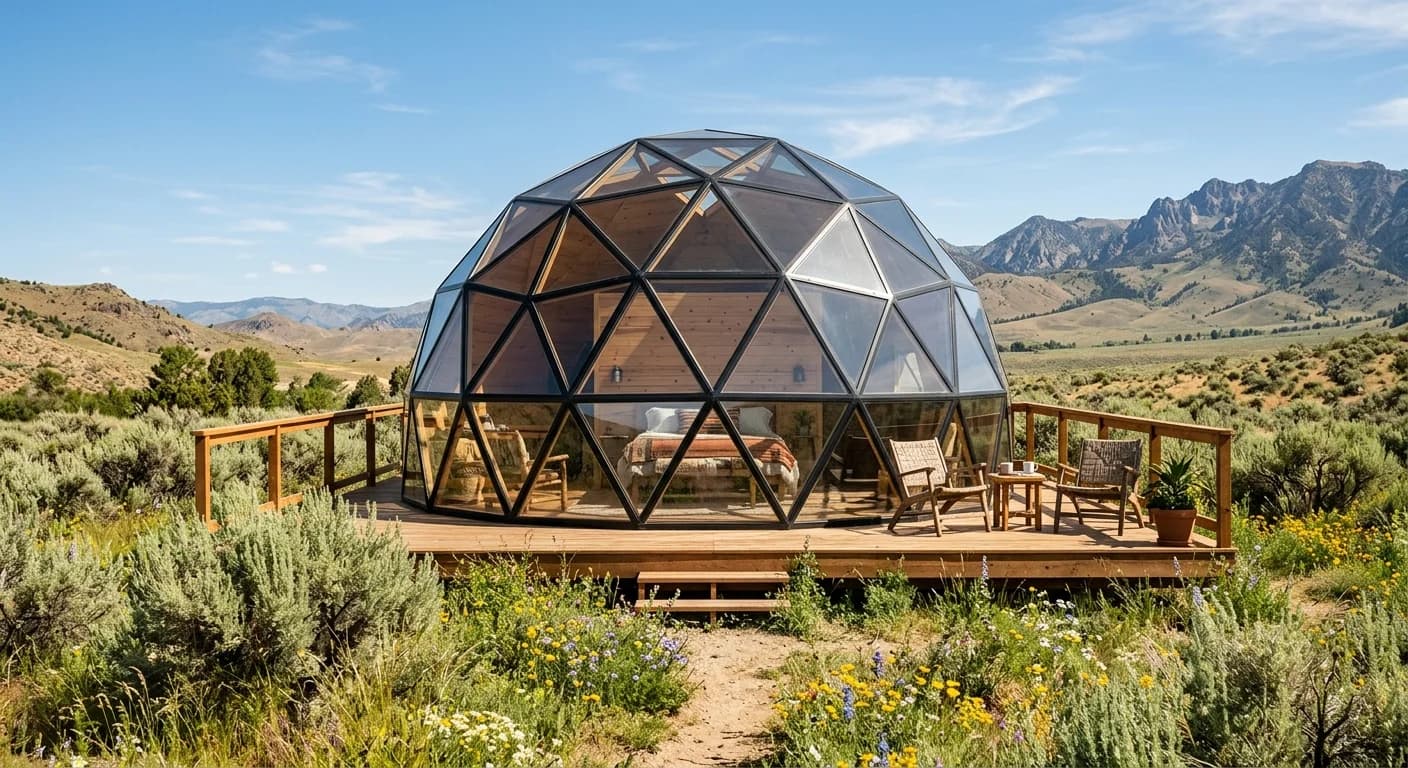
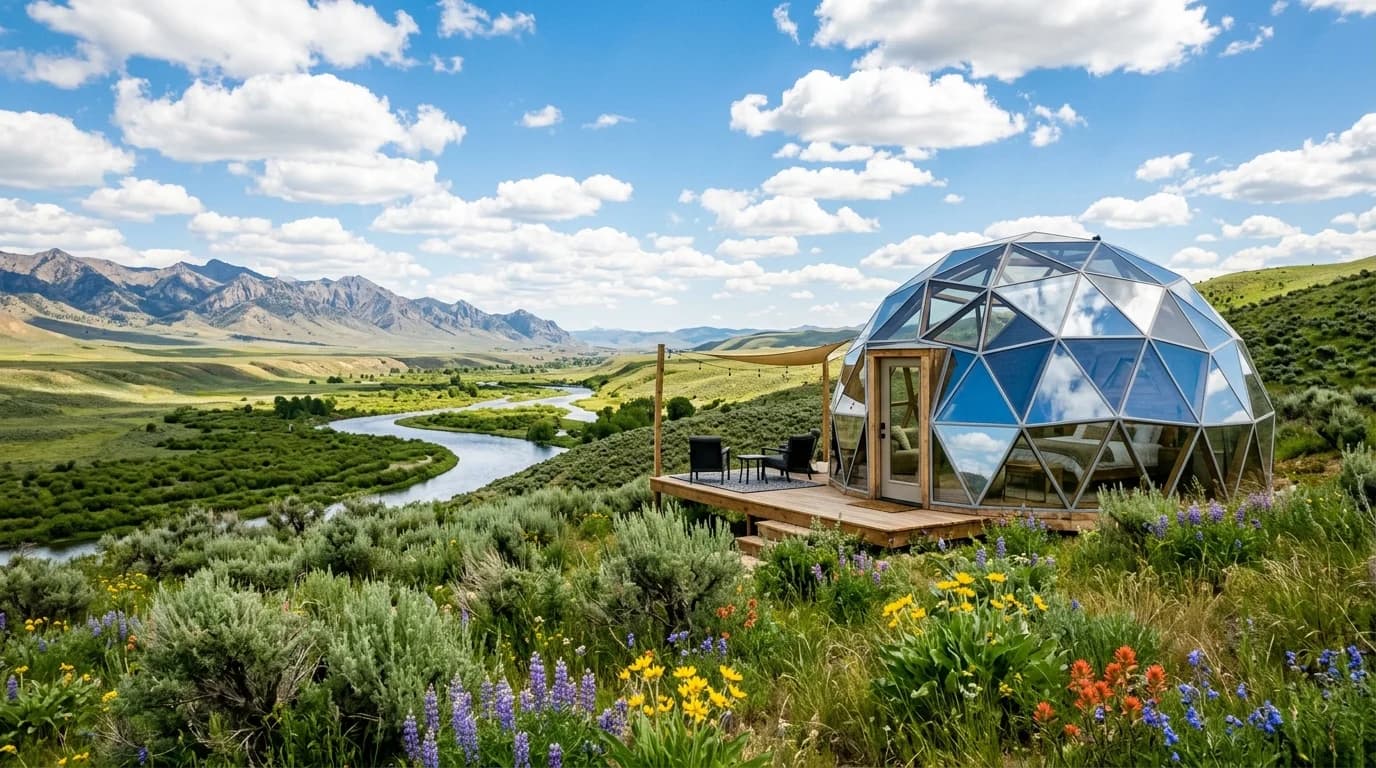
LuxeDen Resorts is building a luxury glamping dome retreat along the Snake River, just minutes from Twin Falls and Shoshone Falls. Private geodesic domes, riverside setting, and the kind of accommodation that turns a waterfall day trip into a multi-day escape. If you want something beyond a highway hotel room, check out our glamping options for an experience that matches the landscape.
In Twin Falls: Hotels cluster along Blue Lakes Boulevard near I-84. You'll find Hilton Garden Inn, Best Western, Fairfield Inn, and similar options. Clean, functional, and close to restaurants.
Camping: There are several campgrounds and RV parks in the Twin Falls area for those who prefer to stay closer to the outdoors. Check Idaho Parks and Recreation for state campground availability.
Keep Exploring Twin Falls
Shoshone Falls is just the beginning. If you're planning a longer trip, these guides cover the best of the region:
- Snake River Canyon: History, Hikes, and Hidden Gems — trails, viewpoints, and the Evel Knievel jump site
- BASE Jumping at Perrine Bridge — watch or try a tandem jump at the only year-round legal bridge in the US
- 3-Day Idaho Vacation Itinerary — a complete day-by-day plan that includes Shoshone Falls
- Camping Near Twin Falls — every option from free BLM land to luxury glamping domes
- Complete Twin Falls Travel Guide — the full overview of everything the area offers
Shoshone Falls is the kind of place that rewards more than a quick stop. Give it a morning, add Dierkes Lake in the afternoon, catch the After Dark show if the timing works, and let the Niagara of the West make its case. It's a strong one.