Perrine Bridge in Twin Falls, Idaho is the only place in the United States where you can legally BASE jump year-round without a permit. Standing 486 feet above the Snake River Canyon floor, the bridge draws jumpers from around the world and spectators who come to watch them leap from the pedestrian walkway into open air.
Whether you want to watch, try a tandem jump, or start training toward your own solo jumps, this guide covers everything you need to know.
Why Perrine Bridge Is Unique
BASE jumping -- an acronym for Building, Antenna, Span, Earth -- is illegal or heavily restricted almost everywhere in the United States. National parks ban it. Most bridges and structures require permits that are rarely granted. The legal landscape makes finding a place to jump legally a genuine challenge.
Perrine Bridge is the exception. Twin Falls County allows year-round BASE jumping from the bridge with no permit required. Jumpers simply walk onto the pedestrian sidewalk, gear up, and jump. There is no registration process, no fee, and no advance notice needed.
Several factors make the bridge ideal for the sport:
- 486 feet of clearance above the canyon floor, providing ample time for parachute deployment
- Wide pedestrian sidewalks on both sides of the bridge, separated from vehicle traffic by barriers
- Accessible landing zones along the Snake River at the base of the canyon
- Consistent wind patterns that experienced jumpers can read and predict
- A welcoming local community that views BASE jumping as part of Twin Falls' identity
The bridge spans 1,500 feet across the Snake River Canyon and carries U.S. Route 93 through Twin Falls. It was completed in 1976, replacing an older bridge, and BASE jumping began here not long after.
A Brief History of BASE Jumping at Perrine Bridge
The connection between Twin Falls and aerial stunts goes back more than a century. In 1974, Evel Knievel attempted his famous Snake River Canyon jump on a steam-powered rocket cycle just a few miles from where Perrine Bridge stands today. He didn't make it across, but the attempt cemented the canyon's reputation as a place where people push limits.
BASE jumping at Perrine Bridge started gaining traction in the 1980s and 1990s as the sport itself was developing. Twin Falls embraced it rather than fighting it. The county recognized the economic and cultural value of having a world-class jumping site, and local businesses began catering to the jumpers who traveled from across the globe.
Today, Perrine Bridge is considered one of the premier fixed-object jumping sites in the world. The Twin Falls Visitor Center estimates that hundreds of jumpers visit annually, and the bridge has become a training ground where many new BASE jumpers make their first fixed-object jumps after completing skydiving prerequisites.
The city has leaned into this identity. The Twin Falls visitor center features BASE jumping in its marketing, and the community treats jumpers as welcomed guests rather than thrill-seeking nuisances.
Watching BASE Jumpers
You don't need to jump to experience the spectacle. Watching jumpers leap from Perrine Bridge is one of the most popular free activities in Twin Falls, and it happens regularly throughout the year.
Where to Watch
The best vantage point is the bridge itself. Walk onto the pedestrian sidewalk on either side and look for jumpers preparing their gear. You can stand just feet away as they step to the railing and go over. The north side of the bridge tends to see more jumping activity.
For a different perspective, drive down to the canyon floor via the access road on the north side. From below, you can watch parachutes deploy and see jumpers land along the river. The Centennial Waterfront Park area provides good viewing from the canyon bottom.
When to Watch
BASE jumpers are most active during these conditions:
- Time of day: Mornings and evenings, when winds are typically calmest. Midday thermals can make conditions less predictable.
- Season: Spring through fall sees the most activity. Summer weekends are the busiest.
- Weather: Calm, clear days draw more jumpers. Wind is the primary factor -- if it's gusty on the bridge, you're unlikely to see jumps.
There is no schedule or guarantee. BASE jumping is weather-dependent and jumpers make their own decisions about when conditions are right. On a calm summer evening, you might see a dozen jumps in an hour. On a windy Tuesday in November, you might see none.
Etiquette for Spectators
- Give jumpers space when they're gearing up and preparing to jump
- Don't distract someone who is about to jump -- no yelling, no sudden movements near the railing
- Ask before filming or photographing jumpers up close
- Stay on the sidewalk and don't block the jumping area
- Don't throw anything off the bridge (this should go without saying, but it's worth stating)
Tandem BASE Jumping for First-Timers
If watching isn't enough and you want to experience the jump yourself, tandem BASE jumping lets you do it without any prior experience. You're harnessed to an experienced instructor who handles the gear, the jump, and the parachute while you experience the freefall.
How It Works
A tandem BASE jump from Perrine Bridge typically follows this sequence:
- Briefing (30-60 minutes): Your instructor covers body position, what to expect during freefall, landing procedures, and safety protocols
- Gear up: You're fitted into a tandem harness and attached to your instructor
- Walk to the bridge: You and your instructor walk onto the bridge sidewalk
- The jump: You step onto the railing and jump together. The freefall lasts roughly 3-4 seconds before the parachute deploys
- Canopy ride: You float under parachute for 1-2 minutes, descending to the canyon floor
- Landing: You land near the river at the base of the canyon
The entire experience, from arrival to landing, usually takes about 2 hours.
What It Costs
Tandem BASE jumps from Perrine Bridge typically run between $350 and $500 per person. Prices vary by operator and may fluctuate by season. Most operators include video of your jump in the price or offer it as an add-on.
Operators
Several companies offer tandem BASE jumping at Perrine Bridge. The most established include:
- Tandem BASE -- One of the longest-running operations at Perrine Bridge, with experienced instructors and strong safety records
- Snake River BASE Academy -- Offers both tandem jumps and training courses
Operators change over time, so search for current options before booking. Look for instructors with extensive jump counts (thousands of jumps, not hundreds) and established reputations in the BASE community.
Requirements
Most tandem operators require:
- Minimum age of 18 (some may allow 16-17 with parental consent)
- Weight limits typically between 100-220 pounds
- Reasonable physical fitness -- you need to climb over a railing and land on your feet
- Signed liability waivers
- No prior experience needed
Is It Safe?
Tandem BASE jumping carries inherent risk -- you are jumping off a bridge. However, Perrine Bridge's 486-foot height provides a significant margin of safety compared to lower objects, and tandem instructors are among the most experienced jumpers in the sport. The parachute is deployed by the instructor, removing the most common source of error for beginners.
That said, this is not a theme park ride. There is real risk involved, and you should understand that before booking.
Getting Certified to Jump Solo
If one tandem jump isn't enough and you want to pursue BASE jumping as a sport, the path to solo jumping is demanding and expensive -- but it starts with skydiving, not BASE jumping.
The Typical Progression
Step 1: Learn to skydive. Before any reputable BASE instructor will train you, you need significant skydiving experience. The general standard is 200 or more skydives, though some instructors want to see more. Skydiving teaches canopy control, body awareness in freefall, and emergency procedures in a much more forgiving environment than BASE jumping.
Step 2: First Jump Course (FJC). Once you have sufficient skydiving experience, you can enroll in a BASE-specific First Jump Course. These multi-day courses cover equipment differences, fixed-object-specific hazards, exit techniques, packing, and emergency procedures. Courses typically cost $1,200 to $2,500.
Step 3: Mentored jumps. After completing an FJC, you'll make your first solo BASE jumps under instructor supervision, often at Perrine Bridge. The bridge's height and forgiving environment make it a standard training site.
Step 4: Build experience gradually. New BASE jumpers accumulate jumps at higher, more forgiving objects before progressing to lower, more technical sites.
Training Near Twin Falls
Twin Falls' status as a BASE jumping hub means several instructors and training programs operate in the area. The Snake River BASE Academy and independent instructors offer FJCs at Perrine Bridge throughout the jumping season. Proximity to the bridge means students can complete their course jumps in ideal conditions.
Cost to Get Started
A realistic budget for going from zero to solo BASE jumping:
- Skydiving AFF course: $2,500 - $3,500
- 200 skydives: $5,000 - $7,000 (at roughly $25-35 per jump)
- BASE FJC: $1,200 - $2,500
- BASE gear (used): $3,000 - $5,000
- BASE gear (new): $5,000 - $8,000
Total investment: roughly $12,000 to $20,000+ before you're jumping independently. This is not a casual hobby.
Safety and Risk
BASE jumping is statistically one of the most dangerous recreational activities in the world. Being honest about this is important.
The Numbers
Fatality rates in BASE jumping are significantly higher than in skydiving. Estimates vary, but the commonly cited figure is roughly 1 fatality per 500-1,000 jumps across the sport as a whole. Some sites are far more dangerous than others -- low objects, unfamiliar terrain, and technical jumps carry higher risk than a 486-foot bridge over an open canyon.
Perrine Bridge is considered one of the safest BASE jumping sites because of its height, open landing area, and the experience of the local jumping community. Fatalities have occurred here, but the rate is lower than at many other jumping locations.
Common Risks
- Off-heading openings: The parachute opens facing an unintended direction, potentially toward the bridge structure or canyon walls
- Line twists: Parachute lines tangle during opening, requiring correction under canopy
- Wind changes: Conditions can shift rapidly in the canyon
- Equipment malfunction: Rare but possible -- BASE jumpers carry only one parachute (no reserve), making equipment reliability critical
- Human error: Rushing, distraction, or poor decision-making account for most incidents
Mitigating Risk
Experienced jumpers reduce risk by:
- Only jumping in conditions they're comfortable with
- Maintaining their equipment meticulously
- Continuing to build skills through additional skydiving and mentorship
- Knowing when to walk away from a jump
- Never jumping impaired or distracted
Best Time of Year to Visit
Peak Season: May through September
This is when you'll see the most jumping activity. Longer days, warmer temperatures, and generally calmer morning and evening winds create ideal conditions. Summer weekends at the bridge can feel like a spectator sport, with jumpers going one after another and crowds watching from the sidewalk.
Pros: Most activity, best weather, all tandem operators running, longest daylight hours
Cons: Busier bridge, more spectators, higher accommodation prices in Twin Falls
Shoulder Season: March-April and October-November
Jumping still happens, but less frequently. Cooler temperatures and shorter days reduce the number of active jumpers. If you're booking a tandem, confirm your operator is running during shoulder months.
Pros: Fewer crowds, lower prices, still possible to see jumps on good weather days
Cons: Less predictable conditions, some operators may not be running
Winter: December through February
Jumping is legal year-round, but winter conditions -- cold temperatures, ice on the bridge, shorter days, and less predictable winds -- mean far fewer jumpers are active. Dedicated locals still jump, but this is not the time to visit specifically for BASE jumping.
What to Expect on Jump Day
Whether you're doing a tandem or watching, here's what a typical jump day looks like at Perrine Bridge.
Arrival
Park at the Visitor Center on the north side of the bridge or in the pullouts near the bridge itself. Walk onto the pedestrian sidewalk. On active days, you'll spot jumpers by their gear bags, harnesses, and helmets.
The Atmosphere
The vibe at the bridge is surprisingly casual. Jumpers chat, check conditions, help each other gear up, and take turns. There's a loose, self-regulating community etiquette. Experienced jumpers watch out for newer ones, and everyone checks the wind before committing.
The Jump Itself
A BASE jump from Perrine Bridge happens fast. The jumper climbs over the railing, stands on the narrow ledge, and goes. Freefall lasts about 3-4 seconds before the pilot chute catches air and the main parachute opens. From the bridge, you'll hear the rush of the canopy opening and then watch the jumper drift down to the canyon floor.
After Landing
Jumpers land near the river at the base of the canyon. They pack up their gear and hike back up a trail to the bridge, or get a ride from a friend. The hike out takes about 15-20 minutes. Some jumpers do multiple jumps in a single session, hiking up and jumping again.
Where to Stay Nearby
Twin Falls has plenty of standard hotel options, but if you're visiting for the BASE jumping experience, you might want something that matches the adventure.
In Twin Falls
The town is directly adjacent to Perrine Bridge. Hotels along Blue Lakes Boulevard put you within a 5-10 minute drive of the bridge. You'll find national chains and local options at various price points.
Glamping Near the Canyon
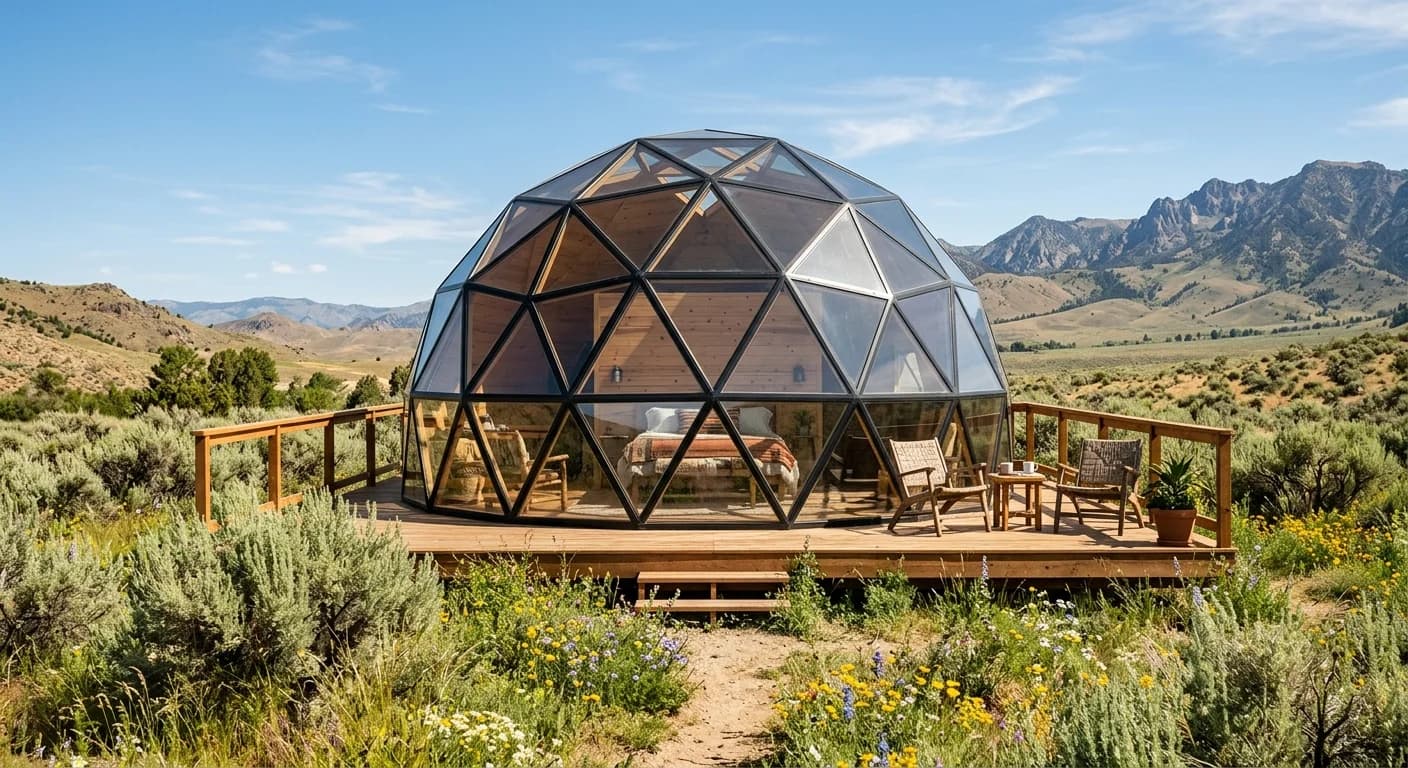
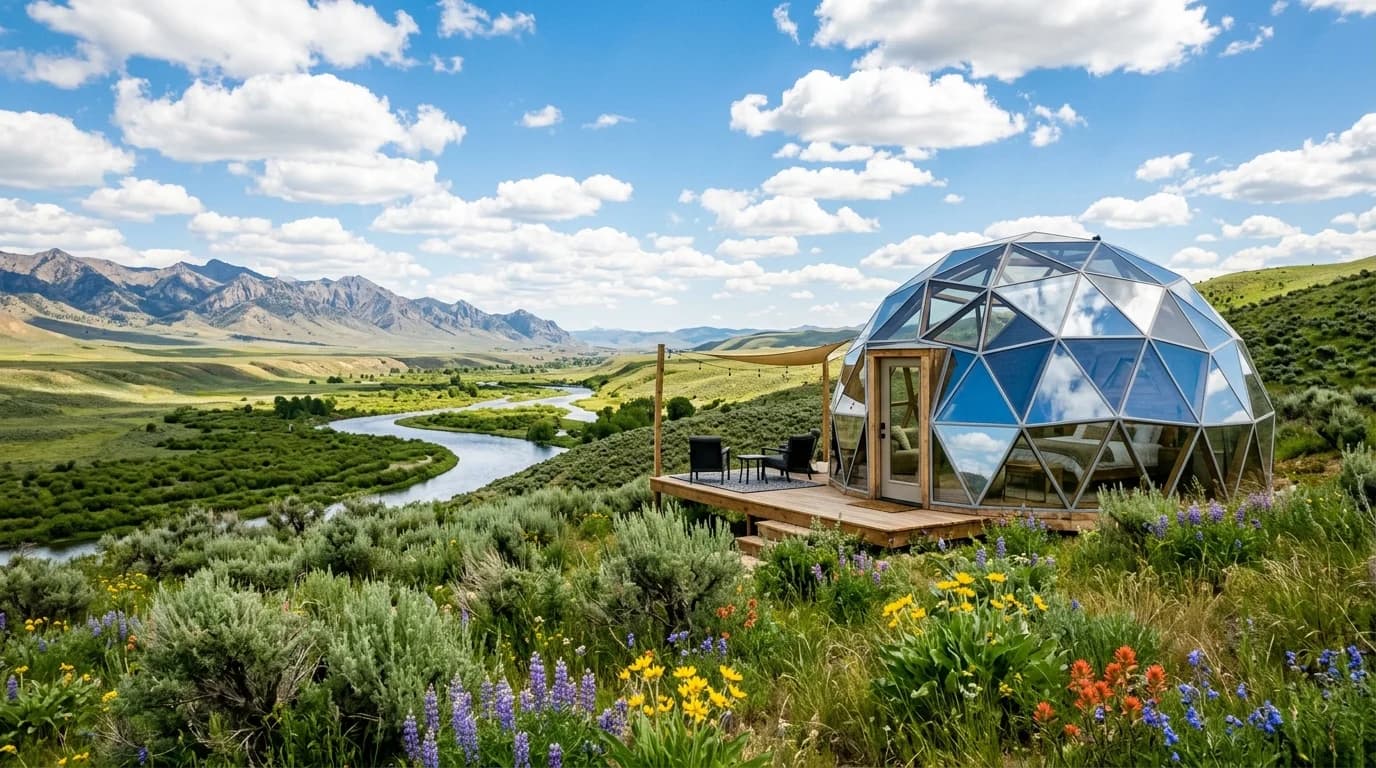
For a stay that matches the spirit of a Perrine Bridge visit, consider glamping along the Snake River Canyon. LuxeDen Resorts, opening Summer 2027, will offer luxury geodesic dome stays just 15 minutes from Perrine Bridge -- riverside, with soaking tubs, full canyon views, and the kind of setting that pairs well with a day of watching (or doing) something extraordinary.
Camping
Several campgrounds operate in the Twin Falls area. The Snake River Canyon rim has a few options, and the Bureau of Land Management land south of town offers dispersed camping for those who prefer a more rugged setup.
Plan Your Perrine Bridge Visit
BASE jumping at Perrine Bridge is one of those rare experiences that's genuinely unique -- there is nowhere else in the country where you can legally watch or participate in this sport so freely. Whether you're a spectator, a first-timer booking a tandem, or an experienced jumper adding Perrine to your logbook, Twin Falls delivers.
Check conditions before you go, respect the jumping community's etiquette, and understand the risks involved. Then enjoy one of the most remarkable bridges in the American West.
More Twin Falls Adventures
- Snake River Canyon: History, Hikes, and Hidden Gems — the full canyon guide including trails to the river
- Shoshone Falls: Complete Visitor's Guide — Idaho's Niagara of the West, minutes from the bridge
- Outdoor Adventures Near Twin Falls — everything from hiking to kayaking to stargazing
- Complete Twin Falls Travel Guide — plan your full Twin Falls trip
Planning an adventure trip to Twin Falls? Join our VIP list for early access to LuxeDen Resorts, opening Summer 2027. Luxury glamping domes on the Snake River Canyon rim, minutes from Perrine Bridge and the best outdoor recreation in southern Idaho.