International Dark Sky Park
Stargazing at Capitol Reef: A Dark Sky Guide
Capitol Reef is a certified International Dark Sky Park and Torrey is a certified Dark Sky Community. What to see, when to come, and how to plan a night under one of the darkest skies in the country.
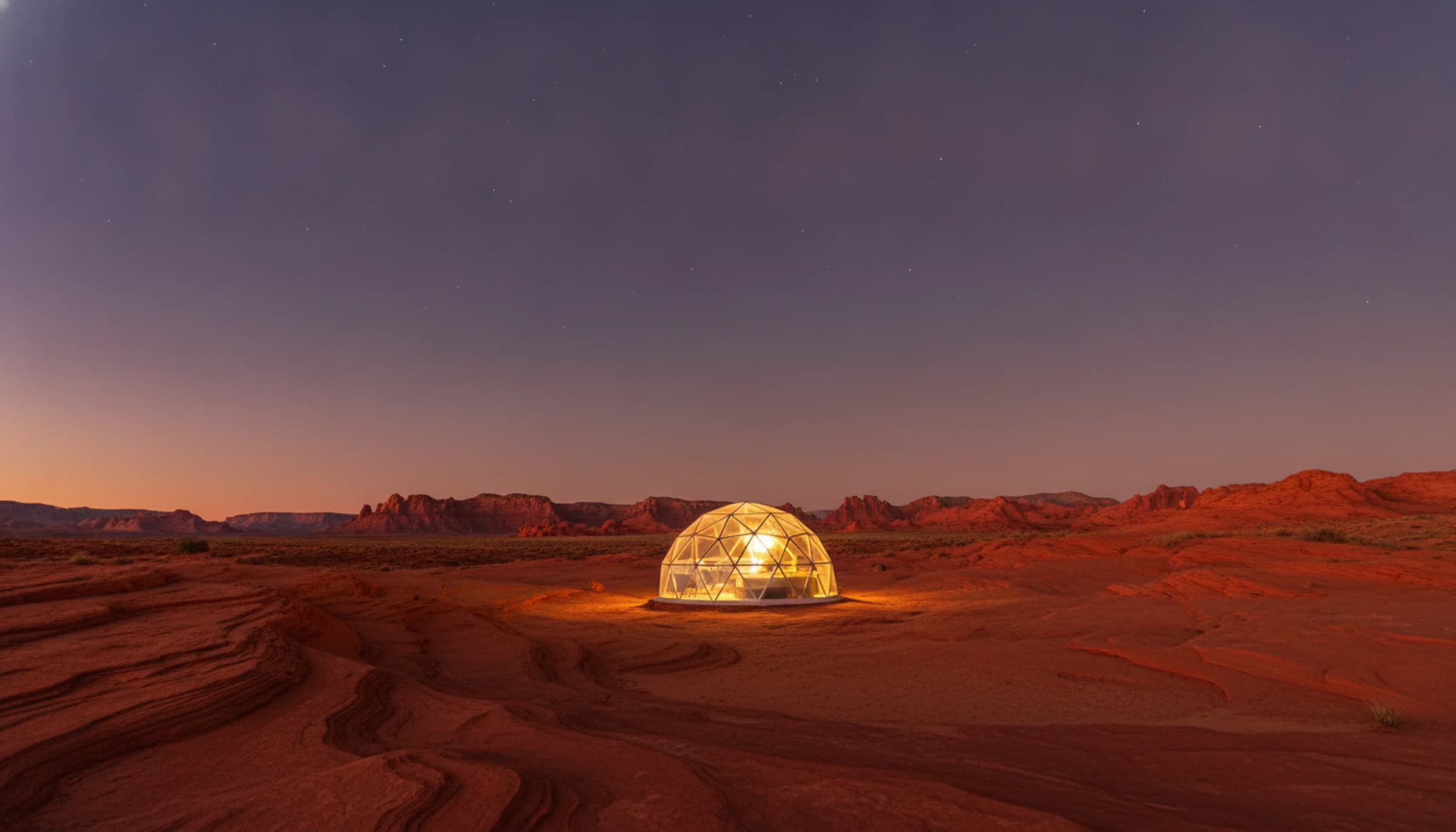
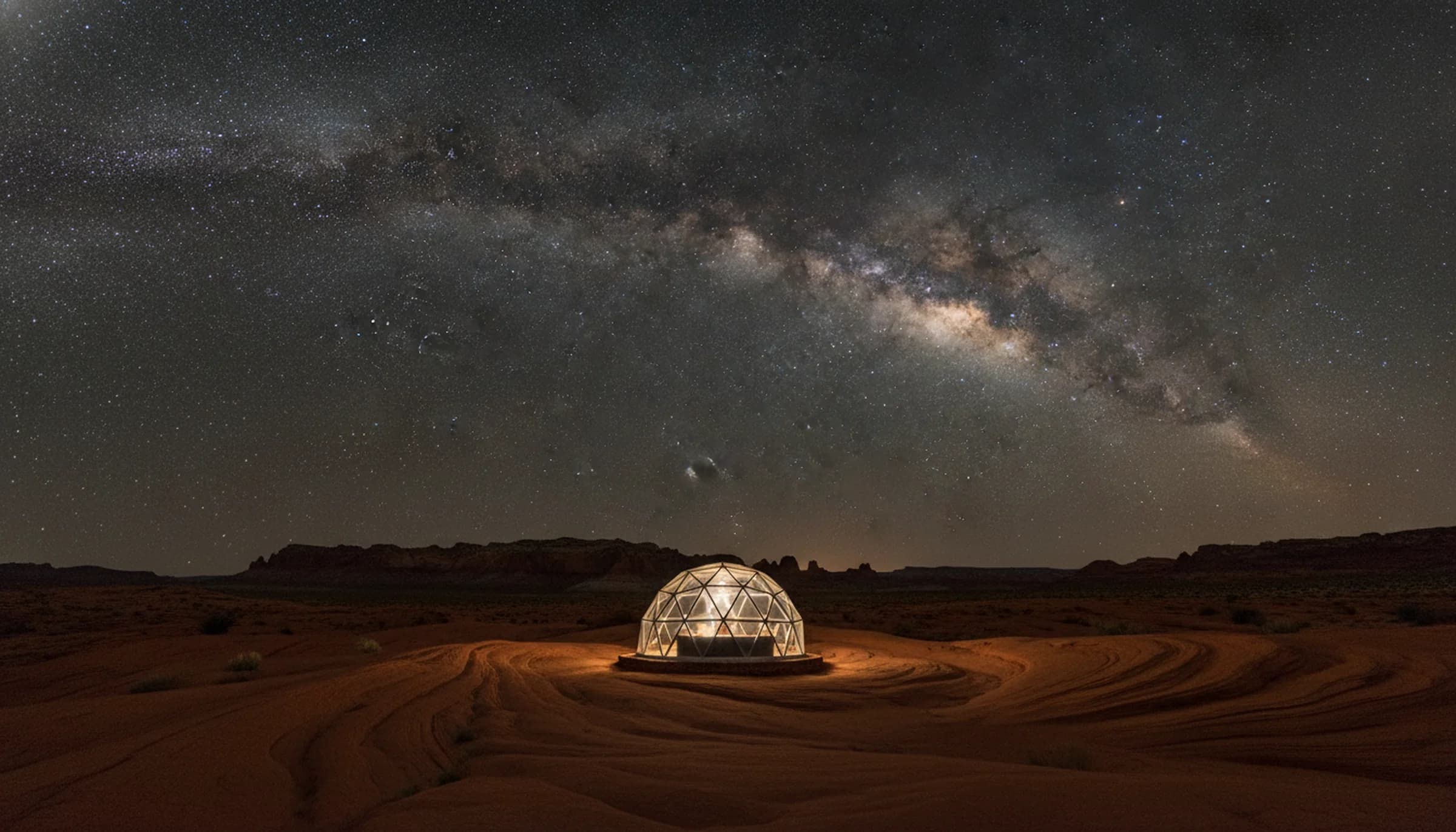
The park sits in Wayne County, Utah, in one of the least light-polluted corners of the lower 48. Our property is in Teasdale, Utah, minutes from Torrey, Utah and the park, at roughly 7,000 feet. On a clear, moonless night the Milky Way is visible without a telescope — the sky is the reason to come, and no equipment is required to see it.
Why is the sky so dark here?
Wayne County has very little of what creates light pollution: few people, few towns, and a lot of open country between them. Capitol Reef National Park is certified as an International Dark Sky Park, and Torrey — the nearest town — holds its own certification as an International Dark Sky Community, meaning its outdoor lighting is deliberately managed. Sitting at roughly 7,000 feet also helps: there is less atmosphere and usually less moisture between you and the stars.
Does the moon matter more than the month?
Yes. The single biggest factor in what you will see is not the season — it is the moon. A full moon can wash out the Milky Way almost entirely, while the week around a new moon can turn an ordinary clear night into the best sky you have seen. Check a moon phase calendar before you plan your trip, and aim for the days on either side of the new moon.
What can you see in each season?
From roughly late spring through early autumn, the bright core of the Milky Way arches overhead and is the main event. From late autumn through winter, the core sets, but the nights get much longer and the air gets drier and steadier — Orion, the Pleiades, and the Andromeda Galaxy take over, and true darkness begins in the early evening instead of near midnight.
What is the winter dark sky season?
Most lodging in this corridor closes for the winter, which means the clearest, longest, darkest nights of the year are also the quietest. We plan to open a limited winter season built around the new moon — join the list if you want to hear when dates open. It is the least crowded and, for sky quality, arguably the best time to be here.
What should you bring?
Give your eyes twenty to thirty minutes to adapt, and keep white light off — a red headlamp preserves your night vision. Dress for temperatures well below what the daytime suggests, especially at elevation. Bring a tripod if you want photographs; a wide lens, a high ISO, and a shutter of several seconds is enough to record far more than your eye can see.
Common questions
- Is Capitol Reef a Dark Sky Park?
- Yes. Capitol Reef National Park is certified as an International Dark Sky Park. The surrounding town of Torrey, Utah is separately certified as an International Dark Sky Community, which means the lighting in the nearest town is also managed to protect the night sky.
- What is the best time of year for stargazing at Capitol Reef?
- Winter has the longest nights and the driest, most transparent air, which makes it the strongest season for sky quality. Summer and early autumn are the season for the bright core of the Milky Way. Whichever month you choose, plan around the new moon — a full moon washes out far more detail than most people expect.
- Do you need a telescope?
- No. On a clear, moonless night here the Milky Way is visible to the unaided eye. Binoculars reveal a surprising amount, and a tripod plus almost any modern camera is enough to photograph it.
- What can you see in winter?
- Winter trades the Milky Way core for Orion, the Pleiades, and the Andromeda Galaxy, along with the longest hours of true darkness in the year. Nights are cold and clear, and full darkness arrives in the early evening rather than near midnight.