Pack a glamping dome retreat like a cabin trip, not a camping trip: the shelter, bed, bedding, towels and heat are already there. What you actually need is a three-layer clothing system for high desert temperature swings of 30 degrees or more in a day, footwear for trails and dust, sun and lip protection at altitude, an eye mask (transparent dome panels let the sunrise straight in), a red headlamp for night vision, and a refillable water bottle. Leave the tent, sleeping bag, stove and camp chairs at home.
Packing for a glamping dome retreat differs from typical travel. You need gear for variable weather, outdoor activities, and cozy indoor time. Pack too little and you're uncomfortable; pack too much and you've hauled unnecessary weight.
This guide covers what you actually need — organized by season, activity, and purpose.
Universal Packing Principles
The Layering System
High desert weather changes rapidly. The solution isn't heavy single garments but versatile layers:
Base layer: Moisture-wicking material against skin Mid layer: Insulation (fleece, down, wool) Outer layer: Weather protection (wind, rain, snow)
This system adapts to conditions. Cold morning? All three layers. Warming afternoon? Shed the mid layer. Sudden rain? Add the outer layer.
Quality Over Quantity
One excellent piece outperforms three mediocre ones:
- Better materials regulate temperature more effectively
- Quality construction lasts longer
- Well-designed gear functions better
Invest in key items (jacket, boots, base layers) and economize elsewhere.
What Glamping Domes Typically Provide
Before packing, check what's included. Luxury glamping domes are more furnished than traditional camping but differ from hotels:
Usually provided:
- Bedding and towels
- Basic kitchenette supplies
- Coffee maker or French press
- Basic toiletries (soap, shampoo)
- Heating system
Sometimes provided:
- Binoculars or stargazing guides
- Board games and books
- Hot tub towels
- Robes and slippers
Rarely provided:
- Specialty foods
- Personal toiletries
- Activity gear (skis, bikes)
- Pet supplies
When in doubt, ask your host before arrival.
The Dome Advantage
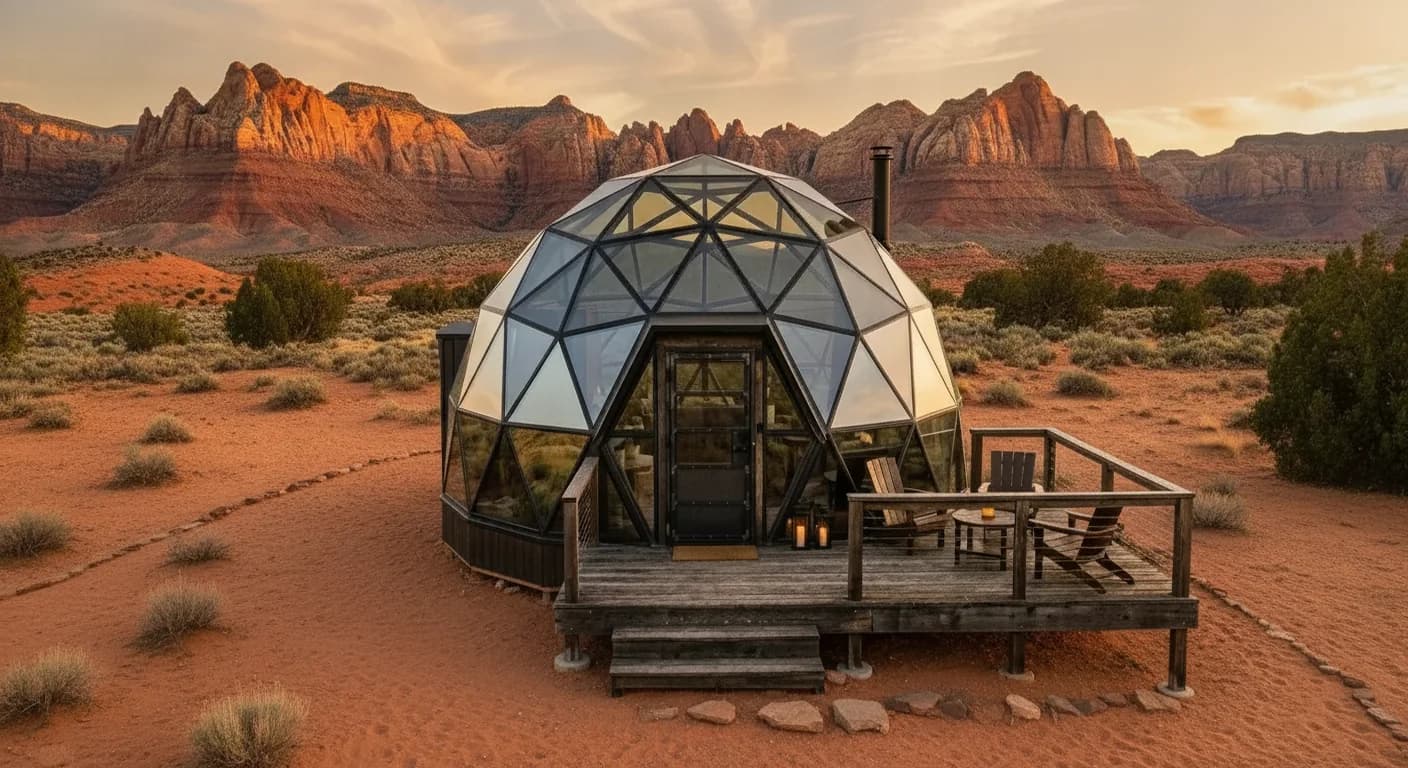
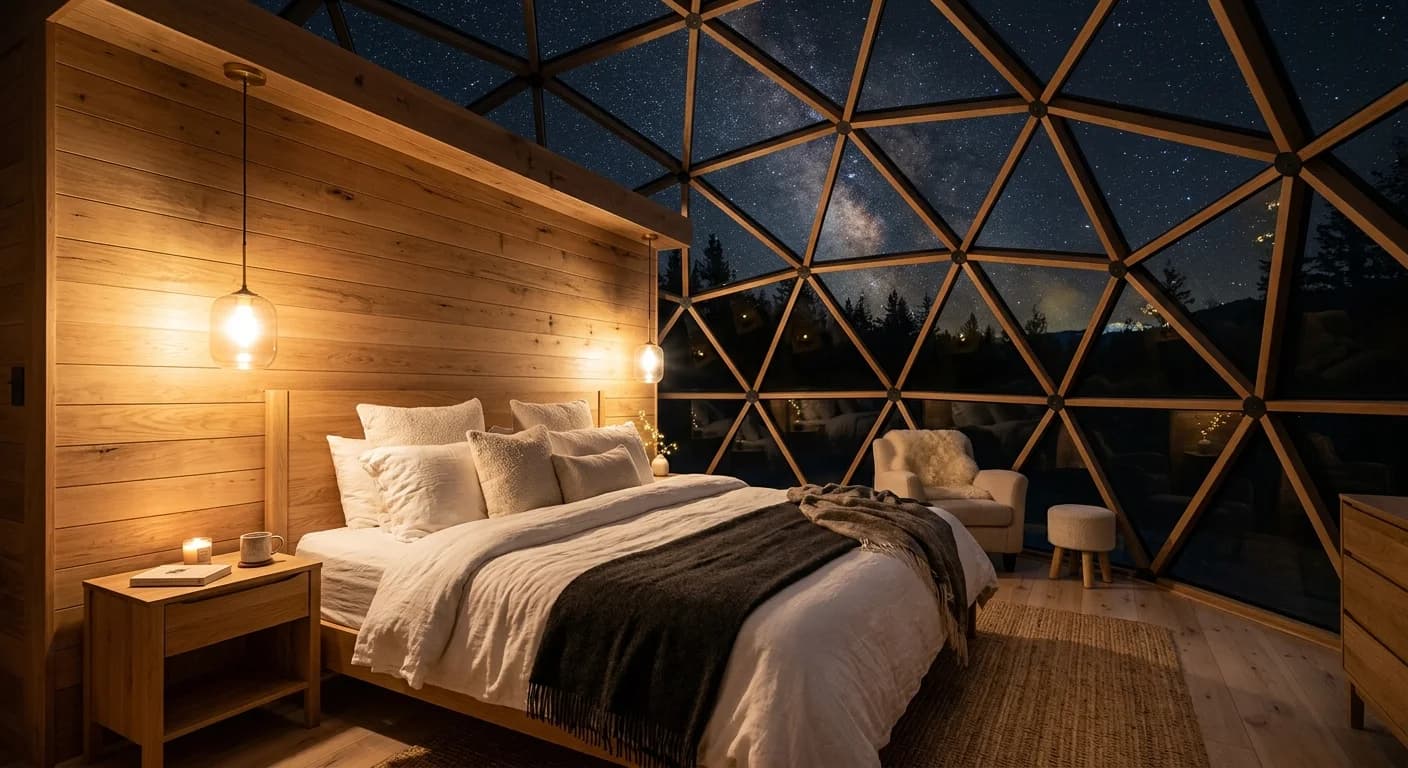
One thing worth noting about glamping domes: the panoramic windows and often-transparent ceiling panels mean you'll want to think about what you wear to bed. The stargazing from inside the dome is spectacular, but the morning sun comes in early. Pack an eye mask if you're a light sleeper — or embrace the sunrise.
Winter Packing List
Clothing Essentials
Base layers (2-3 sets):
- Moisture-wicking tops (synthetic or merino wool)
- Moisture-wicking bottoms
- Avoid cotton (retains moisture, loses insulation)
Mid layers (2-3 options):
- Fleece jacket or pullover
- Down or synthetic puffy (packable)
- Wool sweater for indoor/casual wear
Outer layers:
- Waterproof/breathable shell jacket
- Waterproof pants (for snow activities)
- Everyday winter coat (if different from shell)
Bottoms:
- Comfortable pants for indoor wear (2 pairs)
- Jeans or casual pants for town
- Long underwear (if not worn as base layer)
Footwear:
- Insulated, waterproof winter boots
- Comfortable indoor shoes or slippers
- Extra socks (wool or synthetic, 4-5 pairs)
Accessories:
- Warm hat (covers ears)
- Neck gaiter or balaclava
- Insulated, waterproof gloves
- Liner gloves (for dexterity)
- Sunglasses
Winter Activity Gear
Soaking, if your stay or the area offers it:
- Swimsuit
- Robe (for the walk between dome and tub)
- Sandals or water shoes
- Hair tie
- Dry bag for post-soak clothes
Snowshoeing/Hiking:
- Snowshoes (often rentable locally)
- Trekking poles
- Day pack
Cold-weather stargazing:
- Insulated pad or camp chair (the ground is cold)
- Red headlamp (preserves night vision)
- Hand and toe warmers
- Tripod and a wide, fast lens
Winter Wellness Items
- Lip balm with SPF (high desert air is dry)
- Moisturizer (combat dry winter air)
- Sunscreen (snow reflects UV)
- Eye drops (dry air affects eyes)
- Reusable water bottle (hydration critical at altitude)
Summer Packing List
Clothing Essentials
Tops:
- T-shirts and casual tops (4-5)
- Long-sleeve sun shirt (hiking)
- Light fleece or jacket (cool mornings/evenings)
- Rain jacket (summer storms happen)
Bottoms:
- Hiking pants or shorts (2-3)
- Casual pants for evenings
- Swimsuit (if your stay includes soaking tubs)
Footwear:
- Hiking boots or trail shoes
- Comfortable walking shoes
- Sandals for around the property
- Socks (hiking socks plus casual)
Accessories:
- Sun hat with brim
- Sunglasses
- Light gloves (early morning hikes)
- Bandana or buff (versatile)
Summer Activity Gear
Hiking:
- Day pack (20-30L)
- Trekking poles (optional but helpful)
- Hydration system or water bottles
- First aid kit basics
- Trail snacks
OHV and backcountry road trips:
- Buff or bandana (the dust is relentless)
- Eye protection
- Closed-toe boots
- Dry bag or hard case for camera gear
- Sunscreen and lip balm with SPF
- More water than you think — there is no shade out there
General Outdoor:
- Binoculars (wildlife viewing)
- Camera
- Headlamp (early/late activities)
- Insect repellent
Summer Wellness Items
- Sunscreen (high SPF, reapply often)
- After-sun lotion
- Lip balm with SPF
- Antihistamines (if allergy-prone)
- Blister treatment (new hiking shoes)
Shoulder Season Packing
Spring and fall require versatility — conditions can range from summer-like to winter-like within a single trip.
The Hybrid Approach
Pack for both extremes:
- Base layers (in case of cold)
- Rain gear (spring especially wet)
- Layers that work for 40-70 degrees
- Both hiking boots and warmer options
Key shoulder season items:
- Packable down jacket (warmth when needed, compressible)
- Waterproof boots (mud season is real)
- Multiple glove weights
- Layers, layers, layers
Spring Specifics (March-May)
- Waterproof everything (mud and snowmelt)
- Gaiters for hiking (keeps mud out of boots)
- Extra socks (feet get wet)
- Sun protection (spring sun is strong)
Fall Specifics (September-November)
- Warm layers (mornings can be cold in southern Utah's high desert)
- Blaze orange (hunting season visibility)
- Camera (low-angle autumn light on the reef is exceptional)
- Warmer than you think (overnight temps drop fast)
Wellness-Specific Packing
For Soaking Tubs and Hot Springs
Only relevant if the property you booked has soaking tubs, or you are driving to hot springs in the region. Confirm before you pack for it.
Essential:
- Swimsuit (multiple if soaking daily)
- Robe (luxury but worth it for the walk between dome and tub)
- Sandals (deck, tub, or spring access)
- Hair ties and clips
- Microfiber towel (dries fast)
Optional:
- Waterproof bag for wet items
- Post-soak moisturizer
- Water bottle (hydration during soaking)
For Sauna and Contrast Therapy
Again, confirm the property actually has a sauna and cold plunge before you build a packing list around them — plenty of glamping properties do not.
- Swimsuit or towel wrap
- Sandals
- Two towels (one for sitting, one for drying)
- Water bottle
- Robe (for rest periods)
- Light clothing for post-sauna
For Yoga and Movement
- Yoga mat (or confirm dome/retreat provides)
- Comfortable movement clothes
- Layers (dome temperature varies with sun position)
- Meditation cushion (if you use one)
- Blocks/strap (if you use them)
For Rest and Relaxation
- Books (physical — screens undermine rest)
- Journal and pen
- Comfortable loungewear
- Cozy socks
- Eye mask and earplugs (sleep quality — dome windows let in early light)
- Personal tea or coffee preferences
Tech and Entertainment
What to Bring
- Phone (but use sparingly)
- Camera (if phone camera insufficient)
- Chargers
- Headlamp or flashlight
- Portable speaker (if music matters to you)
- Books, journals, cards, games
What to Leave
- Laptop (if possible)
- Work materials
- Multiple devices
- Anything that keeps you connected to obligations
Connectivity Considerations
Remote high desert areas often have limited cell service. This is a feature, not a bug — but plan accordingly:
- Download offline maps
- Download entertainment (podcasts, music, books)
- Inform important contacts of limited availability
- Embrace the disconnection
Stargazing from the Dome
One of the best features of geodesic dome stays is the stargazing. The transparent panels and panoramic windows mean you can watch the night sky from bed. Consider packing:
- A stargazing app (download for offline use)
- Binoculars (works for stars too, not just wildlife)
- A warm blanket for outdoor stargazing on the deck
Traveling with Pets
Dog Essentials
Basics:
- Food and treats (enough plus extra)
- Food and water bowls
- Leash and collar with tags
- Waste bags
- Bed or blanket (familiar scent helps)
Health and Safety:
- Medications
- First aid kit basics
- Vaccination records
- Vet contact info
Weather Gear:
- Dog coat (if cold-weather breed isn't)
- Booties (hot pavement, ice melt, rough terrain)
- Paw wax (protection from elements)
Activity Gear:
- Long leash for hiking
- Tie-out for outside the dome
- Reflective gear (visibility)
- Floating vest (if water activities)
Before Traveling with Pets
- Confirm pet policy with lodging
- Research pet-friendly trails and areas
- Identify emergency vet locations before you go — rural areas have few, and they can be a long drive
- Plan for pet's needs in daily schedule
Packing Organization
The Bag Strategy
Main bag: Clothing and larger items Day pack: Daily activities, fits in car easily Wet bag: Swimwear, post-soak items Tech pouch: Chargers, devices, headlamp
Packing Tips
Roll, don't fold: Reduces wrinkles, saves space
Wear bulky items in transit: Boots, heavy jacket on travel days
Pack outfit sets: Each day's clothing together for easy retrieval
Keep essentials accessible: Snacks, water, weather layer in day pack
Separate clean and dirty: Bring a bag for worn items
What to Rent vs. Buy
Worth Renting
- OHV/UTV rentals (available locally)
- Snowshoes (often available locally)
- Guided slot canyon trips
- Bikes
- Specialty items used rarely
Worth Owning
- Boots (fit matters too much to rent)
- Base layers (hygiene)
- Jacket (quality and fit)
- Swimsuit (obviously)
- Items you'll use repeatedly
Where to Rent Locally
Some gear can usually be rented locally rather than hauled:
- OHV/UTV rentals from local outfitters
- Backcountry and canyoneering gear
- General outdoor gear in and around Torrey
Arrange popular items well ahead during peak summer season.
The Minimalist Approach
If you tend to overpack, try this constraint:
One bag rule: Everything fits in one carry-on-sized bag plus day pack.
Forces prioritization: Only essentials make the cut
Benefits:
- Less to haul
- Faster packing/unpacking
- Less decision fatigue
- Proves you need less than you think
How to do it:
- Versatile pieces that mix/match
- Layers instead of bulk
- Plan to do laundry if staying longer
- Rent instead of pack specialty items
Pack Light, Travel Right
The best glamping dome retreat happens when you have what you need and nothing you don't. Pack for the activities you'll actually do, the weather you'll actually face, and the rest you're there to find.
When in doubt, leave it out. Most forgotten items can be purchased or rented. Most overpacking just weighs you down.
Planning a glamping dome retreat near Capitol Reef National Park? See where to stay — rooms and tempered-glass domes in Torrey, Utah — or join the list for news from the property. We provide the dome and the setting; you just pack accordingly.
Keep Reading
- Complete Guide to Geodesic Dome Glamping -- What a dome stay involves before you start packing for one.
- Stargazing from a Geodesic Dome -- Why the eye mask and the red headlamp both make the list.
- Geodesic Dome Glamping Prices Guide -- What is included, and what you will be asked to bring.
- Stargazing at Capitol Reef -- Timing a trip around the new moon.
- All Capitol Reef trip planning guides