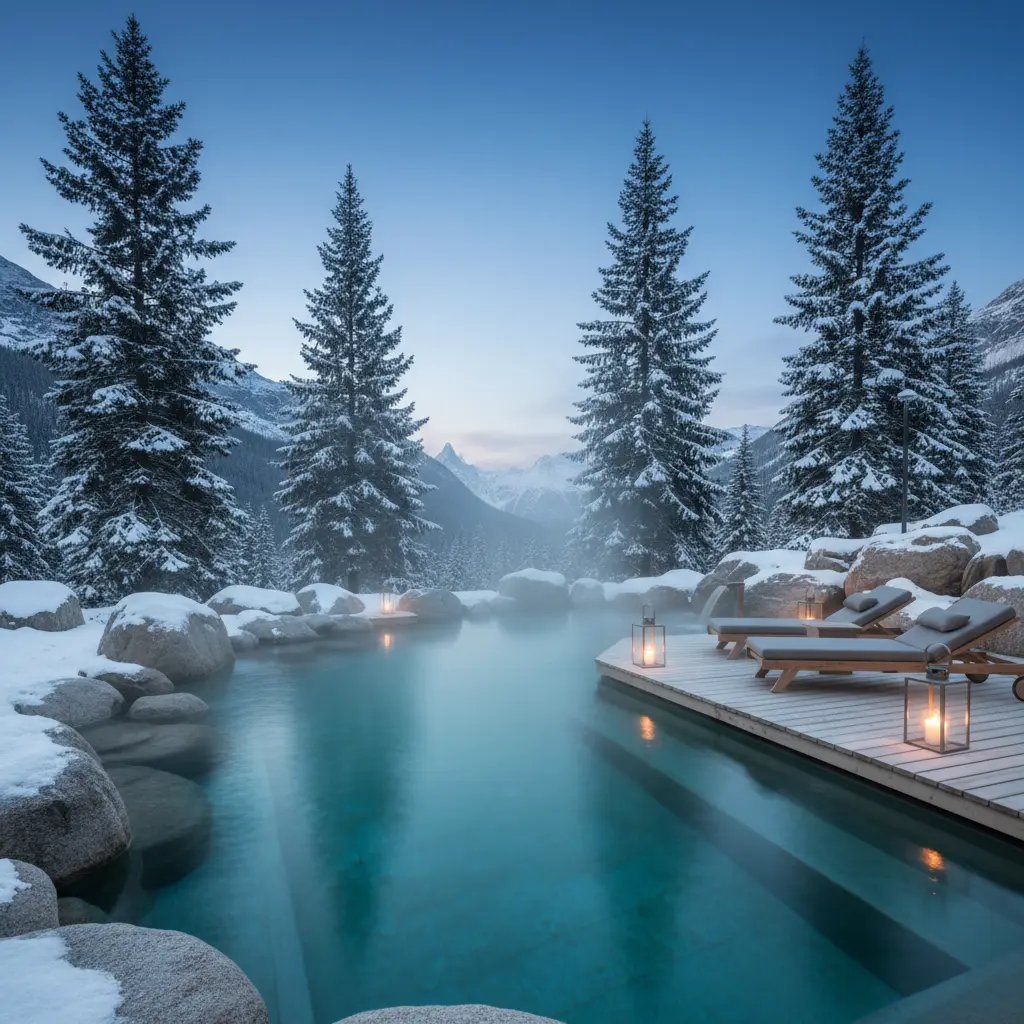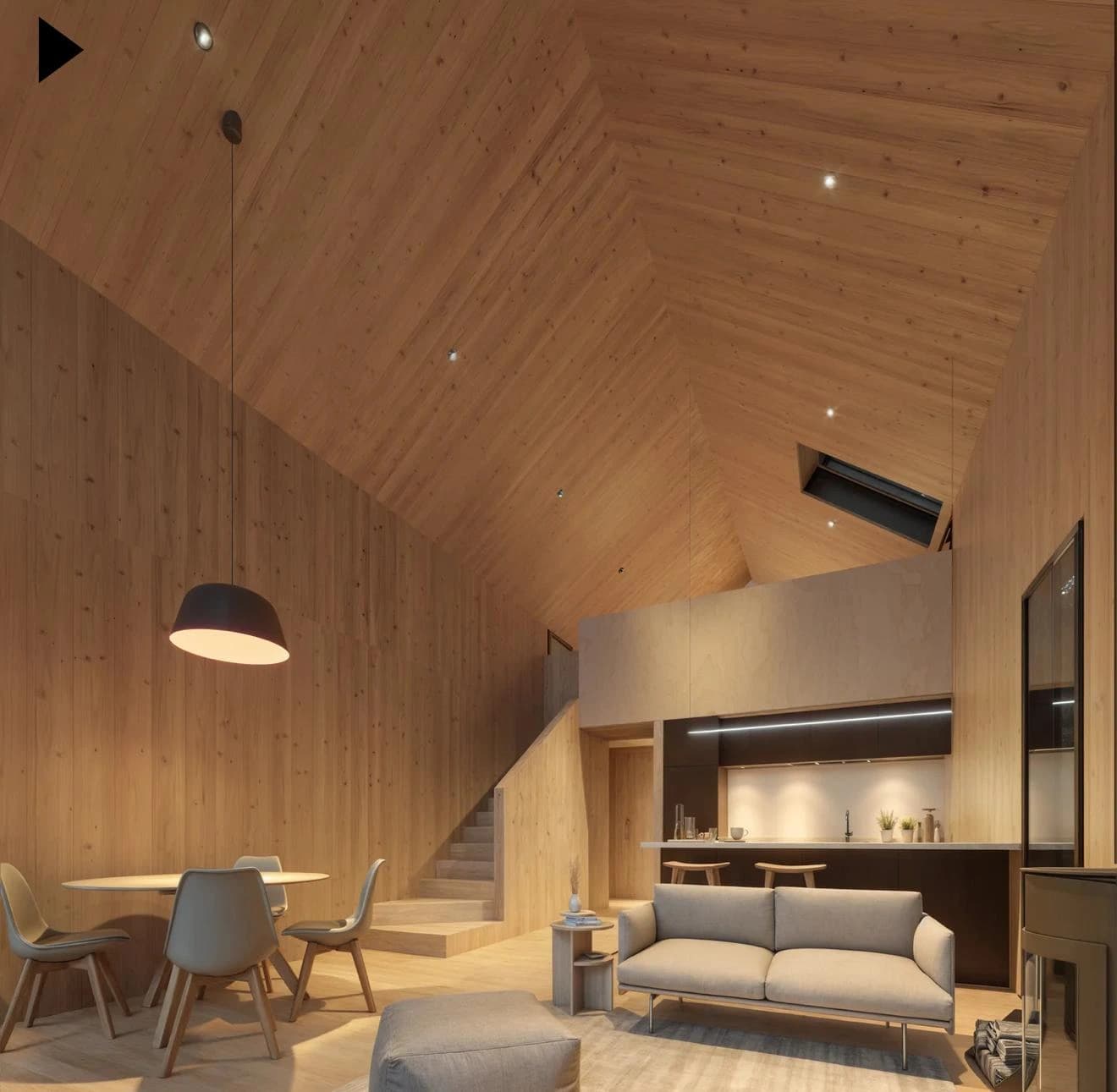
Scandinavian design has influenced architecture and interiors worldwide, but nowhere does it feel more natural than in retreat settings — cabins, domes, and mountain lodges alike. The same principles that emerged from Nordic necessity — maximizing light, embracing natural materials, creating warmth against harsh climates — translate perfectly to mountain retreats.
This guide explores the philosophy, principles, and practical applications of Scandinavian-inspired retreat design.
The Philosophy Behind Nordic Design
Scandinavian design didn't emerge from aesthetic theory. It developed from survival in one of Earth's harshest climates—long, dark winters, limited resources, and isolated communities.
Function First
Every element in traditional Nordic design served a purpose. Ornamentation for its own sake was impractical when materials were scarce and effort precious. What remained was essential, purposeful, and—almost accidentally—beautiful.
This wasn't minimalism as style statement. It was minimalism as necessity, refined over generations into design philosophy.
Democratic Design
Scandinavian design emerged alongside social democratic values. Good design shouldn't be reserved for the wealthy. Beautiful, functional objects should be accessible to everyone.
This democratization drove innovations in manufacturing and materials. If you couldn't afford handcrafted furniture, well-designed mass-produced pieces should serve you equally well.
Connection to Nature
Nordic cultures maintained intimate relationships with surrounding wilderness. Long winters made summer's brief abundance precious. Forest, sea, and sky weren't backdrop—they were partners in survival.
This connection manifests in design through:
- Natural materials used honestly
- Large windows framing landscape
- Color palettes drawn from environment
- Indoor-outdoor flow when climate permits
Lagom: Just Enough
The Swedish concept of "lagom" (roughly: "just the right amount") underlies much Nordic design thinking. Not too much, not too little—precisely what's needed.
Lagom isn't about deprivation. It's about sufficiency. A lagom space has everything required for comfort and function, with nothing excess to maintain, clean, or navigate around.
Core Principles of Scandinavian Design
Minimalism with Warmth
Scandinavian minimalism differs from its more austere interpretations. The goal isn't emptiness—it's purposefulness. Every object earns its place by serving function or providing genuine pleasure.
The test: For each item, ask: Does this serve a practical purpose? Does it bring genuine joy? If neither, it likely doesn't belong.
The result: Spaces that feel calm rather than cold, edited rather than empty. Room to breathe without feeling bare.
Natural Materials
Wood, stone, wool, linen, leather—Nordic design favors materials that connect occupants to the natural world.
Wood dominates Scandinavian interiors. Pine, birch, and oak provide warmth, texture, and organic variation. Wood is used honestly—grain visible, not hidden beneath paint or veneer.
Stone appears in fireplaces, countertops, and floors. It provides durability and connects indoor spaces to the geological landscape outside.
Textiles add softness and warmth. Wool blankets, linen curtains, leather seating—natural fibers that age beautifully and feel good against skin.
Light Maximization
Scandinavian winters bring months of limited daylight. This scarcity made Nordic cultures experts in capturing and amplifying whatever light was available.
Large windows are standard, often floor-to-ceiling when views warrant.
Light colors dominate—whites, creams, light grays reflect and multiply available light.
Mirrors are placed strategically to bounce light deeper into rooms.
Minimal window treatments allow maximum light entry. When privacy is needed, sheer fabrics filter rather than block.
Functionality
Beautiful objects that don't work aren't truly beautiful in Nordic thinking. Form follows function—and when function is perfected, form tends to follow naturally.
Multi-purpose furniture is valued. A bench that stores blankets. A table that extends for guests. Pieces that serve multiple needs.
Smart storage keeps necessities accessible but not visible. Built-in cabinetry, hidden compartments, furniture with integrated storage.
Durable quality over trendy disposability. Better to invest in one excellent piece than three mediocre ones.
Creating Hygge: The Art of Cozy Comfort
Hygge (pronounced "hoo-gah") is the Danish concept most associated with Scandinavian design. It describes a feeling of cozy contentment—warmth, intimacy, and presence.
What Hygge Is
Hygge isn't a style you can purchase. It's an atmosphere you create through:
- Soft lighting - Candles, dimmable lamps, firelight
- Comfortable textures - Blankets within reach, pillows to sink into
- Warmth - Physical warmth from fire, drinks, layers
- Togetherness - Spaces arranged for conversation
- Presence - Disconnection from devices, attention to moment
Designing for Hygge
Lighting strategy:
- Multiple light sources rather than single overhead
- Warm color temperature (2700-3000K)
- Candles as primary evening light
- Dimmers on all fixtures
- Fireplace as focal point when possible
Seating arrangement:
- Conversation-friendly configuration
- Comfortable enough for hours
- Blankets and throws accessible
- Views of fire or windows
Texture layering:
- Soft rug underfoot
- Throw pillows on seating
- Blankets draped for access
- Natural textiles throughout
Temperature comfort:
- Reliable heating
- Draft-free seating areas
- Radiant warmth (fireplace, heated floors) preferred over forced air
Hygge Throughout the Day
Hygge adapts to time and season:
Morning hygge: Hot coffee in ceramic mug, sunlight through window, quiet start
Afternoon hygge: Reading nook with good light, tea and small treat
Evening hygge: Candlelight, fire, gathered conversation, warm drinks
Winter hygge: Maximum cozy—layers, warmth, light against darkness
Summer hygge: Outdoor extension—deck fires, long twilight, open windows
Natural Materials in Depth
Wood: The Foundation
Wood is non-negotiable in Scandinavian-inspired design. It provides warmth, texture, acoustic softening, and psychological connection to nature.
Types commonly used:
Pine - Light colored, affordable, softwood that develops character with age. Traditional choice for Nordic retreats.
Birch - Pale with distinctive grain, harder than pine. Common for furniture and plywood.
Oak - Darker, durable hardwood. Used for flooring, furniture, and accent pieces.
Cedar - Naturally rot-resistant, aromatic. Excellent for exterior applications and saunas.
Application guidance:
- Floors: Wide plank hardwood, light to medium tones
- Walls: Wood paneling (partial or full), exposed beams
- Ceilings: Exposed rafters, wood planking, or painted wood
- Furniture: Solid wood pieces, visible joinery
- Accents: Cutting boards, bowls, storage boxes
Finishing approach:
Scandinavian design favors minimal finish that allows wood to age naturally:
- Clear oils or wax rather than heavy lacquer
- Matte or satin sheen, never high gloss
- Whitewash or light stain to brighten if desired
- Acceptance of natural wear and patina
Stone: Grounding Elements
Stone provides mass, durability, and connection to geological landscape.
Applications:
Fireplaces - Natural stone surrounds, hearths extending into room
Countertops - Granite, soapstone, or concrete for kitchen and bath
Floors - Entry areas, bathrooms, areas near fireplaces (heated for comfort)
Exterior - Foundations, pathways, retaining walls
Selection guidance:
- Local stone when available (connects to specific landscape)
- Neutral tones that complement wood
- Honed or natural finish rather than polished
Textiles: Softening and Warmth
Natural fiber textiles add the soft layer essential for comfort.
Wool:
- Blankets and throws (essential for hygge)
- Rugs (warmth underfoot)
- Upholstery (durable, naturally stain-resistant)
Linen:
- Curtains (light filtering)
- Bedding (temperature regulating)
- Table linens
Cotton:
- Bedding layers
- Kitchen textiles
- Casual upholstery
Leather:
- Seating (ages beautifully)
- Accent pillows
- Storage containers
Quality over quantity: Fewer, better textiles that last decades rather than many cheap pieces requiring replacement.
Color Palettes for Nordic Interiors
The Foundation: Whites and Light Neutrals
Light colors maximize precious daylight. Scandinavian white isn't stark hospital white—it's warm, slightly creamy, with underlying undertones that prevent coldness.
Common foundation colors:
- Warm white (slight yellow or pink undertone)
- Cream
- Light gray
- Pale greige (gray-beige)
- Off-white with wood undertones
Accent Colors
Restraint guides accent color use. Rather than saturated statement walls, Nordic design introduces color through:
Nature-inspired accents:
- Forest green (muted, gray-green)
- Slate blue (stormy sky)
- Warm terracotta (earth)
- Soft blush (sunrise)
Application:
- Textiles (pillows, throws, rugs)
- Artwork
- Ceramics and vessels
- Single accent wall (rarely)
The Role of Black
Black provides grounding contrast in light interiors:
- Window frames and hardware
- Light fixtures
- Furniture legs
- Small appliances
- Artwork frames
Used sparingly, black adds definition without heaviness.
Seasonal Adaptation
Nordic interiors adapt to seasons:
Winter: More blankets, darker accent textiles, candlelight emphasis
Summer: Lighter textiles, fresh greenery, more white and natural tones
This flexibility keeps spaces feeling appropriate year-round.
Maximizing Natural Light
Window Strategy
Size: Larger than you think necessary. Floor-to-ceiling when views warrant.
Placement: Maximize southern exposure (in Northern Hemisphere). Consider views from primary seating positions.
Style: Simple frames that don't compete with views. Black or white frames most common.
Operability: Windows that open for ventilation and connection to outdoors.
Skylights and Clerestory
When wall windows can't provide sufficient light:
Skylights: Direct overhead light, particularly effective in single-story spaces
Clerestory windows: High windows that bring light without sacrificing wall space
Light tubes: For interior spaces without direct exterior access
Interior Light Distribution
Open floor plans allow light to penetrate deeper into homes.
Glass interior doors maintain separation while transmitting light.
Mirrors placed opposite windows multiply available light.
Light-colored surfaces reflect rather than absorb light.
Artificial Lighting
When natural light fades, artificial lighting should:
Mimic natural light qualities:
- Warm color temperature (2700-3000K)
- Multiple sources at different heights
- Dimmable for flexibility
Layer intentionally:
- Ambient: General room illumination
- Task: Focused light for specific activities
- Accent: Highlighting features or artwork
Fixture selection:
- Simple, sculptural designs
- Natural materials (wood, paper, metal)
- Visible bulbs acceptable when decorative
Furniture Selection and Arrangement
Choosing Pieces
Quality indicators:
- Solid wood construction
- Visible joinery (no hidden fasteners)
- Natural materials
- Comfortable without excess
- Timeless rather than trendy
Classic Scandinavian pieces:
- Wishbone chair (Hans Wegner)
- Egg chair (Arne Jacobsen)
- PH lamps (Poul Henningsen)
- String shelving system
Budget alternatives: Modern retailers offer Scandi-inspired pieces at accessible prices. Look for clean lines, natural materials, and quality construction regardless of brand.
Arrangement Principles
Conversation-friendly: Seating arranged to facilitate talking, not just TV viewing
Clear pathways: Easy movement through space without obstacles
Focal points: Fireplace, view, or art piece as visual anchor
Breathing room: Space around furniture, not crammed against walls
Multiple zones: Distinct areas for different activities within open plans
Built-In Solutions
Scandinavian design loves built-ins:
- Window seats with storage below
- Banquette seating in dining areas
- Bed platforms with drawers beneath
- Wall-mounted shelving keeping floors clear
- Entry bench with coat hooks and shoe storage
Built-ins maximize space efficiency while maintaining clean aesthetics.
Bringing Nature Inside
Views as Art
Windows framing landscape are the primary art in many Nordic interiors. Furniture placement should honor significant views.
Strategies:
- Position seating to face best views
- Keep window areas uncluttered
- Frame views with simple curtains or none
- Consider views from multiple positions
Plants
Indoor plants provide:
- Living green color
- Air quality improvement
- Connection to nature
- Seasonal interest
Nordic-appropriate plants:
- Fiddle leaf fig
- Monstera
- Pothos (trailing)
- Snake plant
- Ferns
Keep plant selections edited—a few healthy specimens rather than jungle abundance.
Natural Objects
Collected objects connect interiors to specific landscapes:
- Interesting stones or minerals
- Dried branches or driftwood
- Pinecones or seed pods
- Feathers or shells
Display sparingly, with intention. Collections should feel curated, not accumulated.
Practical Application: Room by Room
Living Areas
Priorities:
- Comfortable seating for conversation
- Fireplace as focal point
- Natural light maximization
- Hygge-ready (blankets, lighting)
Key pieces:
- Quality sofa in neutral fabric
- Lounge chairs for additional seating
- Coffee table (wood or stone)
- Floor lamps for evening light
- Wool rug defining seating area
Bedrooms
Priorities:
- Restful atmosphere
- Quality sleep support
- Morning light access
- Minimal distraction
Key elements:
- Platform bed with simple headboard
- Natural fiber bedding (linen, cotton, wool)
- Bedside lighting (warm, dimmable)
- Window treatments for sleep darkness
- Minimal furniture beyond bed
Kitchens
Priorities:
- Functional workspace
- Natural materials
- Clean sight lines
- Hidden storage
Key elements:
- Wood or stone countertops
- White or wood cabinetry
- Open shelving for daily items
- Quality appliances (integrated when possible)
- Pendant lighting over work areas
Bathrooms
Priorities:
- Spa-like calm
- Natural materials (water-appropriate)
- Good lighting
- Warmth (heated floors)
Key elements:
- Stone or concrete surfaces
- Wood accents (teak, cedar)
- Simple white fixtures
- Large mirror for light
- Plants that thrive in humidity
Sustainability in Scandinavian Design
Nordic design aligns naturally with sustainable principles:
Longevity Over Trend
Buy quality pieces intended to last decades. The environmental cost of one excellent item is lower than multiple disposable replacements.
Natural Materials
Wood sequesters carbon. Natural fibers biodegrade. Stone is eternal. Choosing natural materials over synthetics reduces long-term environmental impact.
Local Sourcing
Traditional Nordic design used available materials—local wood, regional stone, wool from nearby sheep. This reduced transportation impact and connected buildings to their specific places.
Thoughtful Consumption
Lagom—just enough—is inherently sustainable. Buying only what's needed, maintaining what you have, and avoiding excess reduces consumption without sacrifice.
Design Your Nordic Retreat
Scandinavian-inspired design isn't about achieving a specific look. It's about applying principles — function, natural materials, light, warmth — to create spaces that support human flourishing.
The aesthetic that emerges is almost accidental: beautiful because it's purposeful, calm because it's edited, warm because warmth was the goal all along.
Whether you're building new, renovating existing space, or simply editing what you have, these principles scale. Start with what matters most: light, warmth, and a few pieces you genuinely love.
Experience Scandinavian design in the Idaho mountains. Join our VIP list for early access to LuxeDen Resorts, opening 2027 — Nordic-inspired glamping domes in Lava Hot Springs designed for wellness, warmth, and connection to nature.