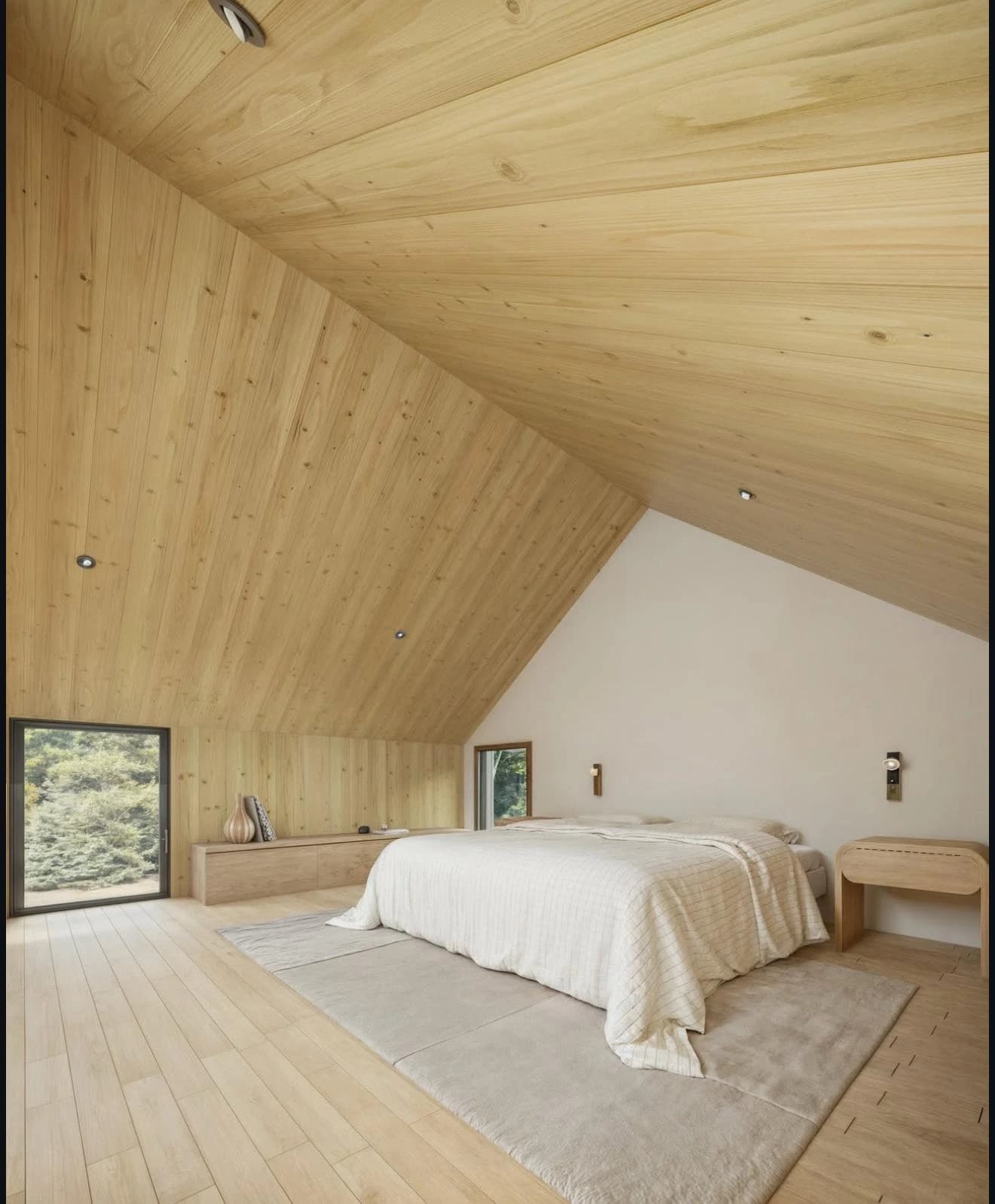
Travel disrupts sleep. New environments, different time zones, unfamiliar beds, and altered routines conspire against rest exactly when you need it most. Understanding why travel impacts sleep—and what actually helps—transforms restless nights into restorative ones.
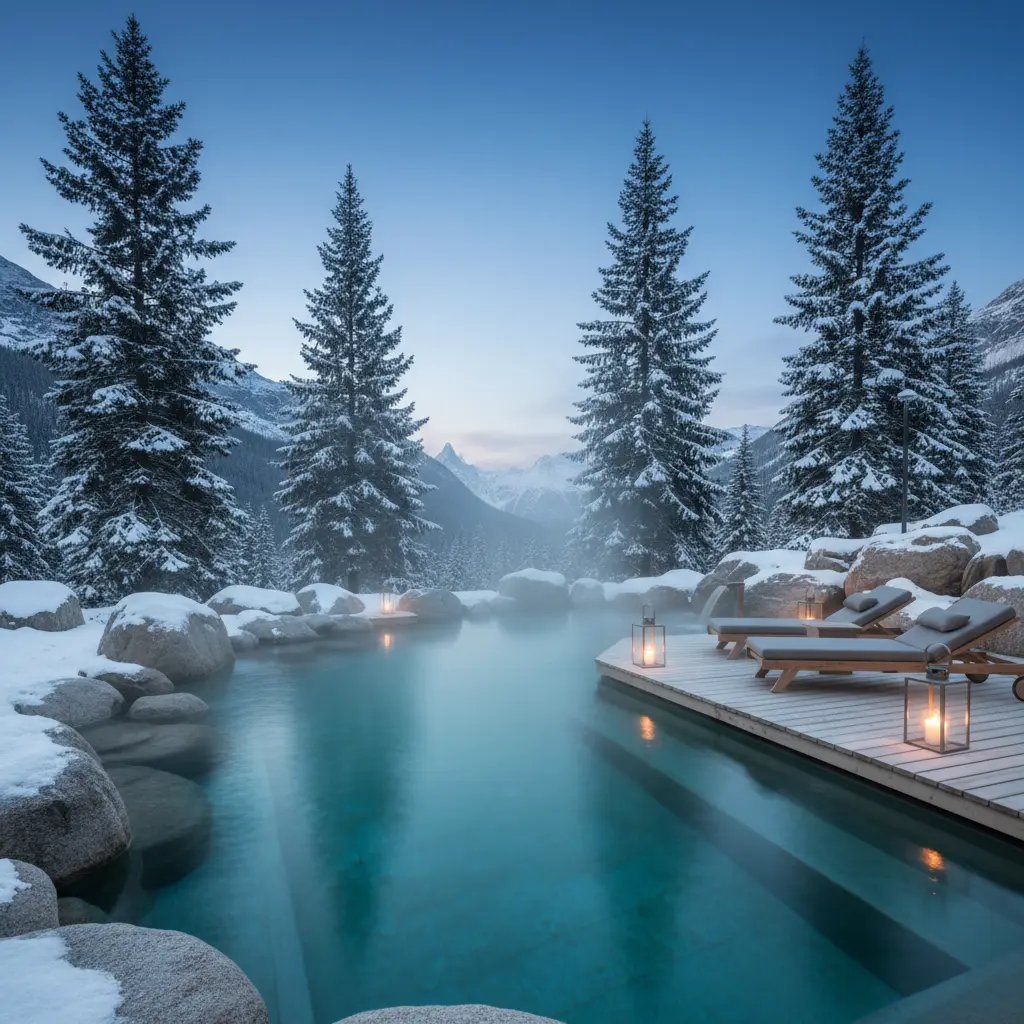
Thermal water, it turns out, is one of the most effective tools available.
Why Travel Disrupts Sleep
Environmental Unfamiliarity
Your brain maintains vigilance in new environments—an evolutionary adaptation that kept ancestors safe in unfamiliar territory. This "first night effect" means lighter sleep, more awakenings, and reduced REM in new places.
The research: Studies show one brain hemisphere stays more alert the first night in a new location. You're literally half-awake, watching for threats that don't exist.
Circadian Disruption
Your internal clock calibrates to home patterns:
- Local light exposure
- Meal timing
- Activity schedules
- Sleep/wake routine
Travel disrupts every signal. Jet lag is the extreme case, but even same-timezone travel affects rhythm through changed light exposure and schedules.
Physical Discomfort
New sleep environments bring:
- Different mattress firmness
- Unfamiliar pillow height
- Unknown room temperature
- Unexpected noises
- Different air quality
Any of these can fragment sleep for sensitive sleepers.
Psychological Arousal
Travel often involves:
- Excitement about destination
- Stress about logistics
- Work obligations continuing
- Social pressures
- Altered eating and drinking
Elevated mental activity fights the relaxation sleep requires.
How Thermal Water Improves Sleep
Hot water immersion is one of the most effective, research-backed sleep interventions available—and it's particularly valuable when traveling.
The Temperature Mechanism
Your body temperature follows a circadian pattern:
- Rises during the day
- Begins falling in evening
- Reaches lowest point during deep sleep
- Rises again before waking
The intervention: Hot water immersion artificially raises core temperature. When you exit, temperature drops rapidly—faster and further than natural evening decline.
The result: This accelerated drop triggers strong sleep-onset signals. Your body interprets the falling temperature as "time to sleep" and responds accordingly.
Research Findings
Studies on pre-sleep bathing show:
Sleep onset: Reduced by 10-15 minutes on average. For those who normally lie awake, this is significant.
Sleep quality: Both objective measures (sleep studies) and subjective reports improve.
REM sleep: Duration and quality increase—important for memory consolidation and emotional processing.
Deep sleep: More time in restorative slow-wave sleep stages.
Optimal Protocol
Timing: 2-3 hours before intended sleep
Soaking immediately before bed can be too stimulating. The temperature drop needs time to occur. The 2-3 hour window allows:
- Core temperature to rise during soak
- Initial cooling as you dry and relax
- Continued temperature drop aligned with bedtime
Duration: 15-30 minutes
Long enough to raise core temperature meaningfully. Shorter soaks may not provide sufficient temperature elevation.
Temperature: 100-104°F (38-40°C)
Hot enough to elevate core temperature but not so hot as to be stressful or require long recovery.
Why It Works for Travel
Addresses multiple issues simultaneously:
- Physical relaxation counters environmental vigilance
- Temperature drop provides clear sleep signal despite disrupted rhythms
- Ritual creates familiar routine in unfamiliar setting
- Stress reduction lowers arousal
Accessible at destinations:
- Many lodgings have hot tubs
- Hot springs exist in many regions
- Even a hot bath in a hotel provides benefit
Beyond Temperature: Complete Sleep Strategy
Thermal water is powerful but works best within a complete sleep approach.
Light Management
Evening: Reduce blue light exposure 2 hours before bed
- Dim screens (night mode)
- Lower room lighting
- Avoid bright bathroom lights
Morning: Seek bright light immediately upon waking
- Open curtains
- Go outside if possible
- Bright light signals "day" to circadian system
For time zone changes: Shift light exposure toward destination schedule before departure when possible.
Environment Optimization
Temperature: Cool room (65-68°F) supports temperature drop. Request extra blankets rather than raising heat.
Sound: White noise machines or apps mask unfamiliar noises. Earplugs work for some.
Darkness: Eye masks eliminate light pollution. Essential for light sleepers.
Pillow/mattress: Some travelers bring their own pillow. It's not crazy—pillow familiarity aids sleep.
Timing Strategies
Maintain consistency: Keep sleep and wake times as close to normal as practical.
Strategic napping: If needed, nap before 2 PM for 20-30 minutes maximum. Later or longer naps disrupt nighttime sleep.
Exercise timing: Physical activity helps sleep, but finish vigorous exercise 4+ hours before bed.
Substance Considerations
Caffeine: Avoid after early afternoon. Half-life is 5-6 hours—that 4 PM coffee is still in your system at 10 PM.
Alcohol: Seems to help sleep onset but fragments later sleep stages. Net negative for sleep quality.
Sleep aids: Prescription and OTC sleep medications can help short-term but often impair sleep architecture. Use sparingly.
Melatonin: Low doses (0.5-3mg) can help reset circadian rhythm. More effective for jet lag than general sleep trouble.
Integrating Thermal Water at Destinations
Hot Springs Destinations
If traveling somewhere with natural hot springs:
Plan evening soaks: Schedule hot springs visits 2-3 hours before desired sleep time.
Multiple nights: Consistent soaking builds cumulative benefit.
Avoid late night: Very late soaking (within 1 hour of bed) may be too stimulating.
Lodging with Hot Tubs
Many mountain lodges, wellness retreats, and vacation rentals offer hot tubs:
Private vs. shared: Private allows control of timing and temperature.
Maintenance matters: Well-maintained hot tubs support relaxation; questionable ones create stress.
Temperature check: Ensure water is hot enough (100°F+) for therapeutic benefit.
Hotels with Bathtubs
Even a standard hotel bathtub provides benefit:
Fill hot: As hot as comfortable—104°F target if measurable.
Soak adequately: 15-20 minutes minimum.
Add salts: Epsom salts (magnesium sulfate) may enhance relaxation.
Time correctly: Same 2-3 hour pre-sleep window.
When Thermal Water Isn't Available
Hot shower: Less effective than immersion but still raises core temperature. Make it as hot as comfortable for 10-15 minutes.
Heated mattress pad: Preheating bed, then turning off before sleep, can mimic the temperature drop effect.
Exercise earlier in day: Physical activity raises temperature; the subsequent drop aids sleep.
Travel-Specific Challenges
Jet Lag
For crossing time zones, thermal water can help reset:
Eastward travel: Soak in evening at destination time (even if body thinks it's afternoon).
Westward travel: Soak before destination bedtime (even if body is ready for sleep earlier).
The signal: Temperature drop tells body "sleep now" regardless of internal confusion.
Business Travel Stress
Work travel adds mental burden:
Pre-trip: Soak night before departure to ensure good rest before travel.
During trip: Evening soak rituals provide transition from work to rest.
Recovery: Post-trip soaking helps return to normal routine.
Adventure Travel
Physical activity from hiking, skiing, etc.:
Recovery benefit: Hot water soothes muscles, aiding physical recovery.
Timing adjustment: If exhausted from activity, even earlier soaking may be appropriate.
Hydration critical: Active days plus hot water require aggressive hydration.
Building a Travel Sleep Kit
Essential Items
Eye mask: Block unfamiliar light sources
Earplugs: Reduce noise disturbance (keep spares)
White noise app: Phone-based backup for sound masking
Melatonin (low dose): For jet lag or significant schedule disruption
Nice-to-Have Items
Travel pillow: If pillow-sensitive
Epsom salts (small container): For bath enhancement
Sleep tracking device: To understand your patterns
Lavender oil: For familiar scent (sleep association)
Pre-Departure Research
Hot springs: Are there natural hot springs at destination?
Lodging amenities: Does accommodation have hot tub or bathtub?
Room features: Can you request quiet room, blackout curtains?
Timezone difference: How will you adjust?
Measuring Success
Sleep Tracking
Wearable devices and apps can track:
- Time to fall asleep
- Sleep duration
- Sleep stages (estimated)
- Nighttime awakenings
Use carefully: Obsessing over data can increase sleep anxiety. Track for patterns, not perfection.
Subjective Measures
Simple questions reveal sleep quality:
- How long did it take to fall asleep?
- Did you wake during the night?
- How rested do you feel?
- How's your energy today?
Journal briefly: Note what worked and what didn't for future trips.
Adjustment Period
Expect night one to be rough. First-night effect is real.
Night two typically improves as brain accepts safety.
By night three you should be sleeping normally (barring jet lag).
If sleep doesn't improve by night three, investigate specific causes.
Rest Well, Travel Better
Good sleep transforms travel. Energy for activities, mood for enjoyment, and health for adventure all depend on rest. Understanding how travel disrupts sleep—and using tools like thermal water to counter those disruptions—means arriving refreshed rather than depleted.
Seek destinations with hot springs or quality lodging amenities. Time your soaking strategically. Build complementary habits around light, temperature, and routine. Travel becomes more enjoyable when you actually sleep at your destination.
The geodesic dome shape itself may contribute to better sleep. The curved geometry creates a cocoon-like feeling that many guests find naturally calming, while panoramic windows allow you to fall asleep watching the stars — a natural way to signal to your brain that the day is done.
Experience restorative travel sleep at LuxeDen Resorts. Join our VIP list for early access, opening Summer 2027 — private mineral soaking tubs at every glamping dome in Lava Hot Springs, designed specifically for the kind of deep rest that makes vacation truly rejuvenating.