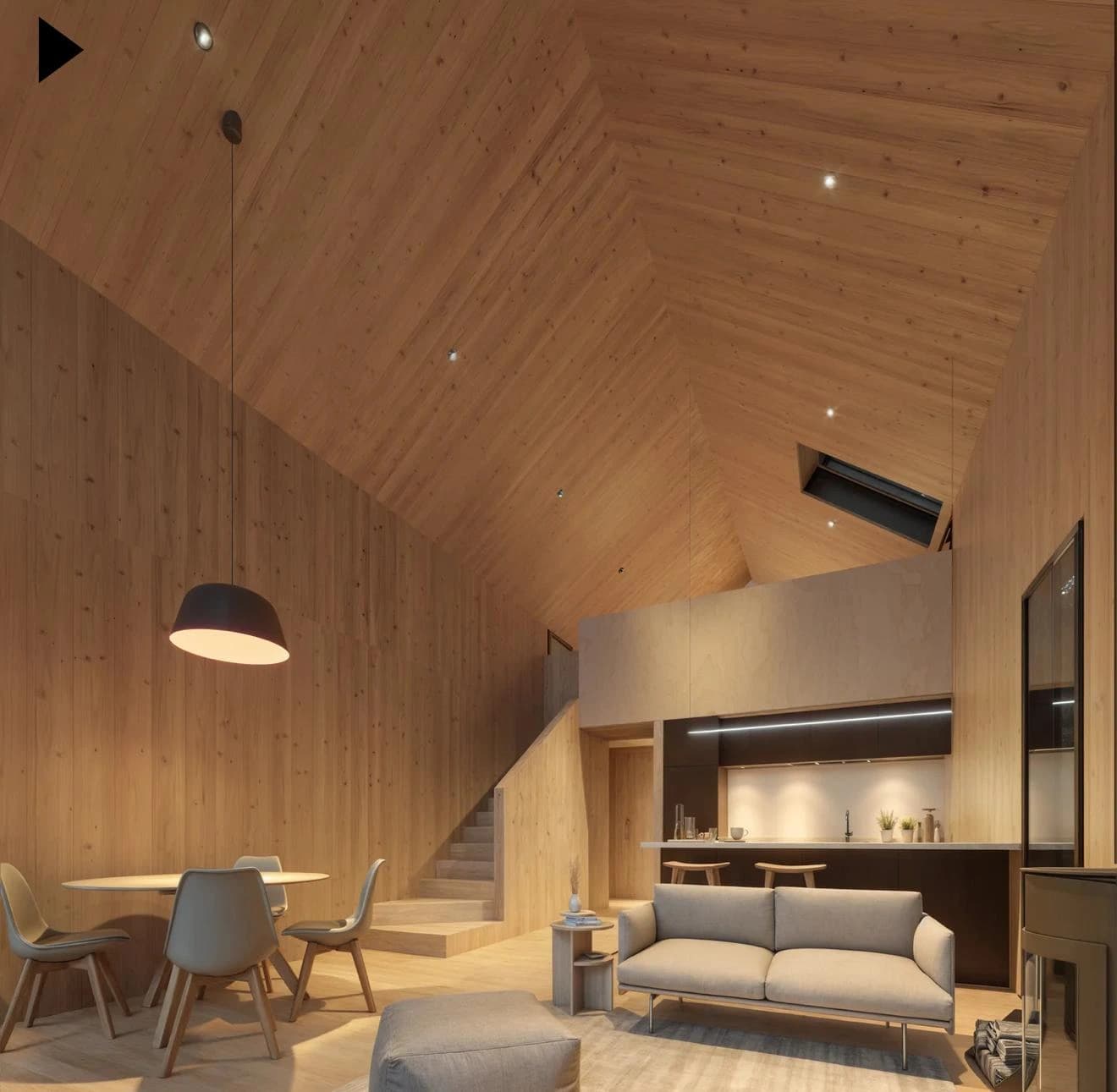
Hygge (pronounced "hoo-gah") became an international phenomenon a few years ago—books, articles, products all promising to deliver Danish coziness. Much of this missed the point entirely, reducing a way of being to a shopping list.
Real hygge isn't about buying candles or fuzzy socks. It's about creating conditions for contentment—warmth, presence, connection. The objects are secondary to the atmosphere they help create.
What Hygge Actually Means
Hygge has no direct English translation, though "cozy contentment" comes close. It describes a feeling more than a thing—the warmth of good company, the comfort of familiar surroundings, the pleasure of simple moments.
The Elements
Hygge typically involves:
- Warmth - Physical warmth from fire, drinks, blankets, company
- Soft light - Candles, dim lamps, firelight—never harsh overhead
- Comfort - Textures to sink into, nothing stiff or formal
- Presence - Attention to the moment, screens away
- Togetherness - Shared time, conversation, connection (though solo hygge exists too)
- Simple pleasures - Good food, warm drinks, nothing elaborate
What Hygge Isn't
Hygge isn't:
- Expensive - The coziest spaces often cost little
- Perfect - Hygge embraces imperfection and authenticity
- Showy - It's intimate, not impressive
- Purchasable - You can't buy hygge, only create conditions for it
- Exclusively Danish - Every culture has its version of cozy contentment
Creating Hygge Through Lighting
Lighting matters more than any other single element. Danes burn more candles per capita than any other nation—not for decoration, but because candlelight creates hygge.
The Problem with Overhead Lights
Harsh overhead lighting is the enemy of hygge. It flattens space, creates unflattering shadows, and signals institutional rather than intimate space.
The fix: Turn off overhead lights. Use multiple smaller light sources instead.
Candles
Candles are the primary hygge light source. Their flicker is inherently calming, and their warmth (both visual and physical) signals safety and comfort.
Placement:
- Clustered on coffee tables and dining tables
- On mantles and windowsills
- In lanterns for wind protection outdoors
- Throughout the space, not just one focal point
Types:
- Unscented for everyday (scent fatigue is real)
- Subtle scents for special occasions
- Various sizes and heights for visual interest
- White or cream—colored candles feel less hygge
Quantity: More than you think. Danes often light 20+ candles in a single room.
Lamps and Fixtures
When candles aren't practical, lamps should mimic their qualities:
Warm color temperature: 2700K maximum, lower is better Dimmable: Adjustable light levels for different moods Multiple sources: Several lamps rather than one bright fixture Low positioning: Table and floor lamps, not overhead Diffused light: Shades that soften rather than direct light
Firelight
Nothing creates hygge like a real fire. If you have a fireplace:
Use it. Even if heating is handled otherwise, fire transforms atmosphere.
Make it the focus. Arrange seating to face the fire.
Learn to build good fires. A well-built fire burns longer and cleaner.
If you don't have a fireplace, alternatives include:
- Fire pit on patio or deck
- Tabletop ethanol fireplaces
- High-quality electric fireplaces (for visual, not heat)
Creating Hygge Through Textiles
Texture creates the physical comfort essential to hygge. Your space should invite touching, sinking in, wrapping up.
Blankets and Throws
The hygge essential. Every seating area needs blankets within reach.
Quantity: More than you think. Stack them, drape them, have extras for guests.
Quality: Natural fibers (wool, cotton, linen) feel better against skin and age better than synthetic.
Placement:
- Folded on couch arms
- Draped over chair backs
- Stacked in baskets nearby
- On beds for layering
Pillows
Function: Support for reading, lounging, curling up
Quantity: Enough for comfort, not so many they must be moved to sit
Variety: Mix sizes and textures
Covers: Change seasonally if desired—heavier textures in winter
Rugs
Purpose: Warmth underfoot, sound absorption, space definition
Size: Larger is usually better—rugs should extend under furniture
Material: Wool for durability and warmth, cotton for washability
Texture: Plush for living areas, flat-weave for high traffic
Upholstery
Priority: Comfort over appearance. A sofa should invite collapsing into.
Test: Sit in furniture before buying. Can you spend hours there?
Fabric: Soft, durable, cleanable. Avoid anything stiff or slippery.
Creating Hygge Through Atmosphere
Beyond objects, hygge requires atmospheric conditions that support contentment.
Temperature
Warm enough to relax. Cold makes people tense. Hygge spaces allow shedding layers, not huddling.
Sources matter:
- Radiant heat (fire, heated floors) feels warmer than forced air
- Multiple heat sources create even warmth
- Draft-free seating is essential
Sound
Quiet or gentle background. Hygge requires conversation or contemplation—both need acoustic comfort.
Reduce harsh sounds:
- Rugs and textiles absorb echo
- Close windows to traffic noise
- White noise machines if needed
Add gentle sounds:
- Crackling fire
- Soft music (acoustic, instrumental)
- Rain on windows
- Conversation itself
Scent
Subtle and natural. Hygge scents suggest warmth, food, nature—not perfume counter.
Hygge scents:
- Fresh coffee brewing
- Baked goods
- Wood smoke
- Cinnamon, cardamom, citrus
- Fresh pine or eucalyptus
Methods:
- Real food and fire (best)
- Subtle candles
- Simmering pots (water with citrus and spices)
- Fresh greenery
Avoid: Artificial air fresheners, overwhelming perfumes
Clutter Level
Edited but not sterile. Hygge spaces have personality—books, objects, evidence of life—without chaos.
Keep:
- Items you use regularly
- Objects with meaning
- Things that spark joy
Remove:
- Excess items collecting dust
- Broken things awaiting repair
- Objects without purpose or meaning
Creating Hygge Through Presence
The deepest hygge requires presence—attention to the moment rather than elsewhere.
Screens Away
The hygge killer: Nothing destroys cozy atmosphere faster than everyone staring at phones.
Strategies:
- Designated phone-free times
- Devices in another room
- Airplane mode during gatherings
- Something to do with hands (food, drinks, games)
Slowing Down
Hygge requires time. You cannot rush coziness.
Allow:
- Long meals without schedule pressure
- Conversations that meander
- Silence that doesn't need filling
- Doing nothing in particular
Single-Tasking
One thing at a time. Hygge and multitasking are incompatible.
Practice:
- Drink tea without scrolling
- Eat meals at the table
- Conversation without background TV
- Reading without checking messages
Acceptance
Hygge embraces imperfection. The burnt edge of the toast. The mismatched chairs. The conversation that lapses into comfortable silence.
Release:
- Pressure to perform
- Need for everything to be "right"
- Comparison to idealized images
- Stress about tomorrow
Hygge Room by Room
Living Room
The hygge center. Arrange for conversation and comfort, not TV viewing.
Essentials:
- Seating for gathering (facing each other, not just screen)
- Fireplace or candle focal point
- Blankets within reach of all seats
- Coffee table for drinks and snacks
- Multiple soft light sources
- Sound absorption (rugs, textiles)
Dining Area
Hygge over meals. The table becomes gathering place.
Essentials:
- Comfortable seating (for lingering, not just eating)
- Candlelight (always, not just special occasions)
- Serving pieces for family-style meals
- Real dishes and linens (not disposable)
- Space for conversation, not just plates
Bedroom
Personal hygge. Your retreat for rest and quiet.
Essentials:
- Quality bedding (natural fibers, layers)
- Soft lighting (lamps, not overhead)
- Reading support (good lamp, pillow arrangement)
- Temperature comfort (cool air, warm bed)
- Screen-free zone (no TV, phone elsewhere)
Kitchen
Hygge through creation. The kitchen generates comfort for other spaces.
Essentials:
- Tools you enjoy using
- Space for casual gathering (stools, bench)
- Hot drink station (coffee, tea accessible)
- Baking capability (for scent as much as food)
- Good lighting for tasks, dimmable for ambiance
Bathroom
Quiet hygge. Private comfort space.
Essentials:
- Warm towels (heated rack if possible)
- Soft lighting (not harsh vanity lights)
- Bathtub for soaking (if space allows)
- Natural materials (wood, stone, cotton)
- Candles for evening baths
Outdoor Spaces
Hygge extends outside. Decks, patios, gardens can be cozy too.
Essentials:
- Fire pit or outdoor fireplace
- Comfortable seating with cushions
- Blankets for cool evenings
- String lights or lanterns
- Wind protection
Hygge Through the Seasons
Winter Hygge
Peak hygge season. Cold and dark outside make inside warmth more precious.
Emphasize:
- Fire and candles (maximum quantity)
- Heavy blankets, wool textiles
- Hot drinks (tea, cocoa, mulled wine)
- Hearty food (soups, stews, baking)
- Staying in
Spring Hygge
Transitional season. Fresh energy while maintaining comfort.
Adapt:
- Lighter textiles (cotton replacing wool)
- Fresh flowers and greenery
- Open windows for fresh air
- Lighter foods, first outdoor meals
- Cleaning and refreshing space
Summer Hygge
Outdoor focus. Hygge moves to porch, garden, nature.
Emphasize:
- Outdoor fires and candles
- Picnics and garden dining
- Long evenings outside
- Lighter blankets for cool nights
- Nature connection
Fall Hygge
Preparation season. Gathering in as days shorten.
Emphasize:
- Return to indoor fire
- Heavier blankets returning
- Apple cider, warm spices
- Preparation rituals (canning, baking)
- Gratitude practices
Hygge Gatherings
The Hygge Dinner Party
Not a performance. Hygge entertaining is intimate, not impressive.
Approach:
- Small guest list (2-8 people)
- Simple, shareable food
- Candlelight, always
- Long time at table
- No performance pressure
Food suggestions:
- One-pot meals everyone shares
- Cheese and bread to linger over
- Dessert with coffee, not rushed
- Guest contributions welcome
Everyday Hygge
Don't wait for occasions. Hygge is daily practice.
Small moments:
- Morning coffee by candlelight
- Afternoon tea break
- Evening reading with blanket
- Weekend breakfast without rush
- Nightly wind-down ritual
Start Creating Hygge Today
Hygge isn't achieved through purchasing. It's cultivated through attention—to light, warmth, texture, presence, and the small moments that comprise a life.
Start with lighting. Light candles tonight, turn off the overhead. Notice how space transforms. Notice how you feel.
Then add blankets. Then slow down. Then put the phone away.
Hygge builds gradually, through repeated choices to prioritize comfort and presence over productivity and performance.
Experience hygge in a luxury glamping dome. Join our VIP list for early access to LuxeDen Resorts in Lava Hot Springs, opening Summer 2027 — geodesic domes designed from the ground up for warmth, comfort, and the art of being present.