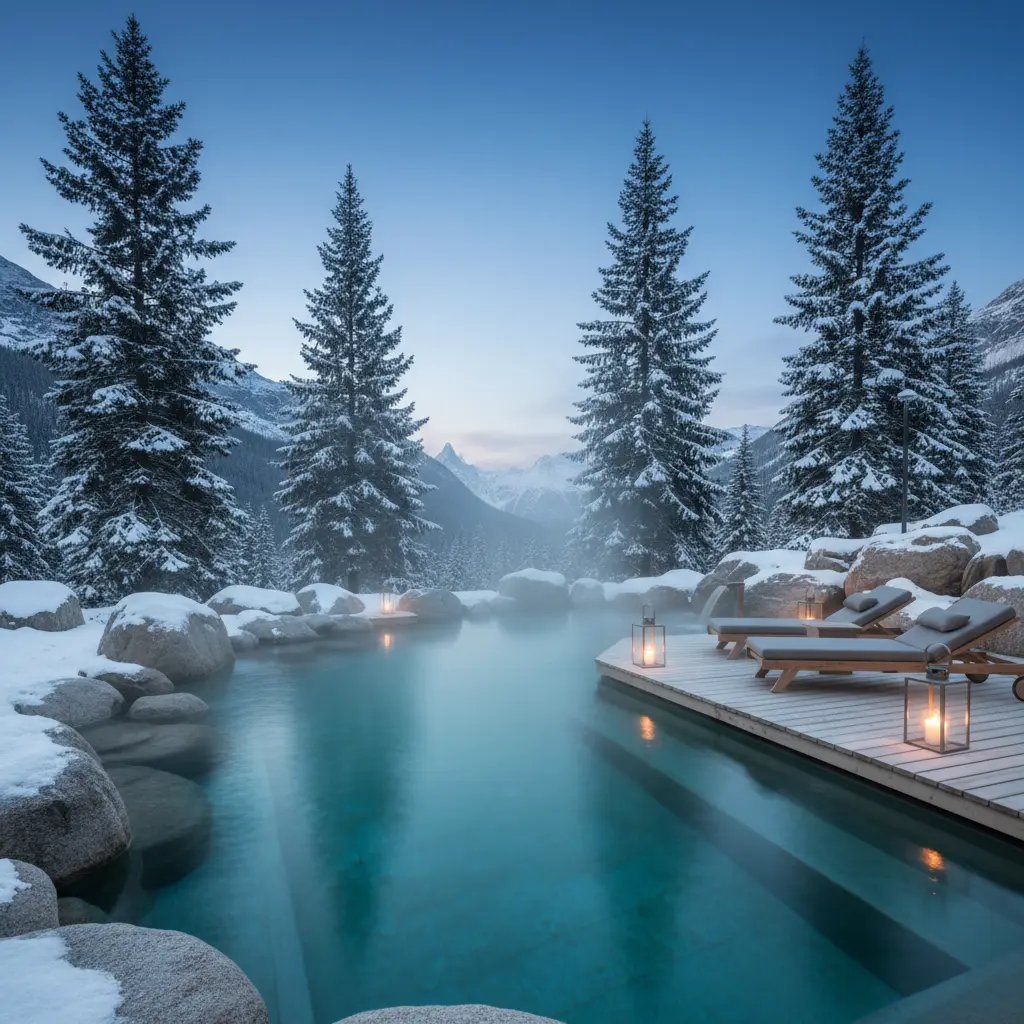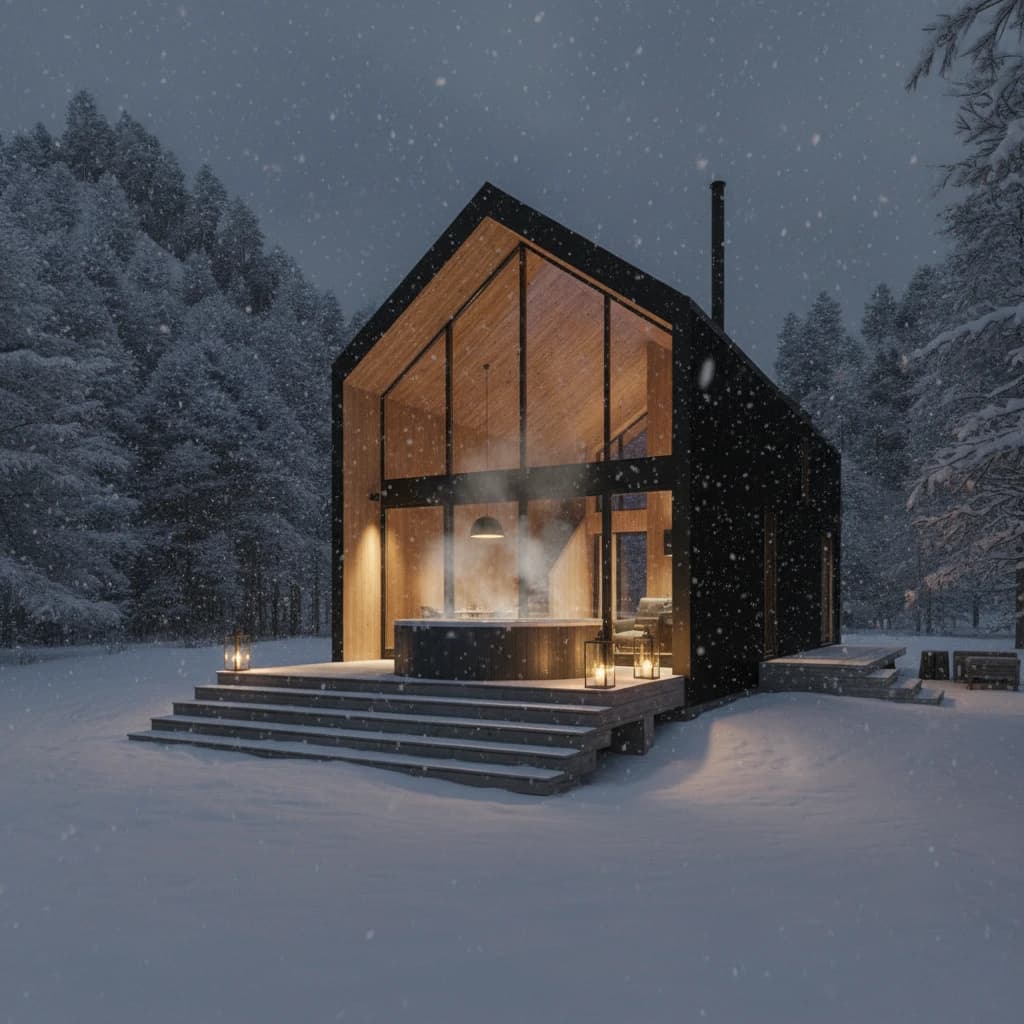
A mountain wellness retreat isn't just a vacation—it's intentional restoration. Unlike beach holidays focused on lounging or city trips packed with sightseeing, wellness retreats prioritize returning home genuinely rested, healthier, and clearer-headed than when you left.
Planning such a retreat requires different considerations than typical travel. This guide covers everything you need to create a restorative mountain experience.
Why Choose a Mountain Wellness Retreat?
The Altitude Advantage
Mountain environments offer physiological benefits you can't get at sea level:
Fresh air: Less pollution, more oxygen, cleaner breathing
Natural negative ions: Mountain air is rich in negative ions, associated with improved mood and reduced anxiety
Reduced allergens: Above certain elevations, many common allergens disappear
Sleep improvement: Many people sleep better at moderate altitude (4,000-7,000 feet)
Nature Immersion
Mountains provide what researchers call "biophilic" experience—connection to natural environments that humans evolved within:
Stress reduction: Cortisol levels drop within minutes of nature immersion
Attention restoration: Natural settings allow fatigued attention to recover
Immune support: Time in forests may boost immune function (forest bathing research)
Perspective shift: Mountain scale naturally reduces rumination on small problems
Activity + Rest Balance
Mountain retreats enable both:
Active options: Hiking, skiing, snowshoeing, water sports—movement that energizes
Restorative options: Hot springs, saunas, massage, reading by fire—rest that heals
The combination is more powerful than either alone. Bodies designed for movement need motion; bodies under chronic stress need recovery. Mountains offer both.
Digital Disconnection
Remote mountain locations often have:
- Limited cell service (forced disconnection)
- Fewer digital distractions
- Culture that supports unplugging
- Activities that don't involve screens
For those struggling to disconnect, geography helps where willpower fails.
Choosing Your Destination
Key Factors to Consider
Wellness amenities:
- Hot springs (natural or developed)
- Sauna facilities
- Spa services
- Yoga/fitness options
Activity access:
- Skiing/winter sports
- Hiking trails
- Water activities
- Wildlife viewing
Atmosphere:
- Luxury vs. rustic
- Developed resort vs. small town
- Social vs. isolated
- Family-friendly vs. adults-focused
Practical considerations:
- Distance from home
- Accessibility (driving, flying)
- Budget alignment
- Pet policies
Destination Comparison: Pacific Northwest Mountains
Lava Hot Springs, ID
Sun Valley, ID
Jackson Hole, WY
Lake Tahoe, CA/NV
The Case for Lava Hot Springs, Idaho
Lava Hot Springs stands out for wellness-focused retreats:
Hot springs access: Natural mineral pools with zero chemical treatment and no sulfur smell — open year-round. Most competing destinations can't match this.
Authentic atmosphere: A genuine small town of 400 people, not a manufactured resort. Real community, real character.
Manageable size: Walkable, not overwhelming, personal service still exists.
Value: Luxury hot springs experiences at non-luxury prices compared to Jackson Hole or Aspen.
National park access: Yellowstone (2.5 hrs), Grand Teton (2 hrs), and Bear Lake (1.5 hrs) all within day-trip range.
Emerging wellness focus: New properties (like LuxeDen Resorts, opening 2027) designed specifically around wellness with private mineral soaking tubs and glamping domes.
Timing Your Visit
Winter (December - March)
Advantages:
- Skiing and snow sports
- Hot springs in snow (magical)
- Cozy dome retreat atmosphere
- Fewer crowds (except holidays)
- Lower rates (except holidays)
Considerations:
- Winter driving required
- Some activities unavailable
- Shorter days
Best for: Ski-focused trips, holiday gatherings, cozy wellness weekends
Summer (June - September)
Advantages:
- Hiking and outdoor activities
- Water sports available
- Long days for activities
- Full restaurant/attraction hours
- Easier driving
Considerations:
- Peak pricing
- More crowds
- Advance booking essential
- Hot springs less dramatic
Best for: Active vacations, family trips, first-time visitors
Shoulder Seasons (April-May, October-November)
Advantages:
- Lowest crowds
- Best value pricing
- Peaceful atmosphere
- Fall colors (October)
- Spring renewal (May)
Considerations:
- Variable weather
- Some attractions closed
- Limited hours at restaurants
- Mud season (April-early May)
Best for: Quiet wellness focus, budget-conscious travel, locals avoiding peak times
Holiday Considerations
Book far in advance:
- Christmas/New Year's (6+ months)
- Winter Carnival (3+ months)
- Summer holidays (3+ months)
- Spring break (2+ months)
Consider alternatives:
- Week after holidays often has good conditions, fewer crowds
- Mid-week arrives face fewer crowds than weekends
Planning Your Itinerary
The Wellness Retreat Pace
Standard vacations cram in activities. Wellness retreats intentionally do not.
Guidelines:
- One significant activity per day maximum
- Build in unscheduled time
- Morning and evening rituals matter
- Allow for spontaneity
- Rest is not wasted time
Sample 3-Night Winter Wellness Retreat
Day 1: Arrival + Settle
- Travel to destination
- Check in, unpack completely (don't live out of suitcase)
- Explore lodging, orient to space
- Gentle evening: hot tub, light dinner, early bed
- Focus: Transition from travel to retreat
Day 2: Activity + Recovery
- Morning: Skiing at Pebble Creek or snowshoe in the surrounding hills
- Lunch: Light meal in town
- Afternoon: Return to lodging, rest, read
- Evening: Hot springs soak at the public mineral pools or in-dome private tub
- Dinner: Nice restaurant dinner
- Focus: Physical engagement followed by deep recovery
Day 3: Wellness Immersion
- Morning: Sleep until natural waking, slow breakfast
- Late morning: Sauna session with contrast (if available)
- Afternoon: Massage or bodywork (book in advance)
- Evening: Hot soak, quiet dinner, reflection
- Focus: Deep restoration, no performance
Day 4: Integration + Departure
- Morning: Gentle activity (short walk, yoga stretching)
- Brunch before departure
- Travel home with intention to maintain benefits
- Focus: Transition back carrying restoration forward
Sample 5-Night Summer Wellness Retreat
Day 1: Arrival
- Travel, settle, orient
- Evening paddle on lake or shoreline walk
- Early dinner, early bed
Day 2: Water Day
- Morning: River tubing or kayaking on the Portneuf
- Afternoon: Olympic swimming complex or hot springs soak
- Evening: Dinner on outdoor patio
Day 3: Mountain Day
- Morning: Hike in the surrounding hills or Caribou-Targhee National Forest
- Afternoon: Rest, reading, nap
- Evening: Evening soak in the mineral pools
Day 4: Slow Day
- Sleep in, long breakfast
- No structured activities
- Read, walk, soak, whatever emerges
- Nice dinner out
Day 5: Exploration Day
- Day trip to nearby attraction
- Pack picnic, take time
- Evening: Reflection, gratitude practice
Day 6: Departure
- Morning routine
- Pack mindfully
- Travel home
Building Your Own Itinerary
Questions to ask:
- What do I most need? (Rest? Movement? Both?)
- What activities must happen vs. nice-to-have?
- How much alone time vs. social time?
- What's my energy pattern? (Morning person vs. night owl)
- What should I absolutely NOT schedule?
Principles:
- Less is more
- Buffer between activities
- Morning rituals anchor days
- Evening wind-down is sacred
- One "nothing" day is not wasted
Budgeting Your Retreat
Cost Categories
Lodging: Often largest expense
- Budget: $100-150/night (basic hotel/rental)
- Mid-range: $200-350/night (quality rental, boutique lodge)
- Luxury: $400+/night (premium properties)
Activities:
- Ski lift tickets: $55-65/day (Pebble Creek)
- Hot springs: $10-30/visit
- Guided tours: $100-300/person
- Spa services: $100-300/treatment
Food:
- Budget: $40-60/day (grocery + casual dining)
- Mid-range: $80-120/day (mix of restaurant + prepared)
- Luxury: $150+/day (fine dining, no cooking)
Transportation:
- Gas to Lava Hot Springs from SLC: ~$40 round trip
- Rental car (if flying): $50-100/day
- Local transport: Minimal (walkable in town, car for day trips)
Sample Budgets
Budget 3-Night Winter Retreat (per person, shared):
- Lodging: $300 ($100/night rental shared)
- Skiing (1 day): $100
- Hot springs (2 visits): $50
- Food: $150
- Gas: $30
- Total: ~$630
Mid-Range 3-Night Retreat:
- Lodging: $750 ($250/night quality dome or rental)
- Skiing (2 days): $200
- Hot springs (2 visits): $60
- One massage: $150
- Food: $300
- Gas: $30
- Total: ~$1,490
Luxury 5-Night Retreat:
- Lodging: $2,500 ($500/night premium property)
- Skiing (3 days): $350
- Hot springs (4 visits): $100
- Spa treatments: $400
- Food: $800
- Activities/tours: $500
- Total: ~$4,650
Saving Money Without Sacrificing Wellness
Lodging:
- Book shoulder seasons
- Mid-week rates often lower
- Vacation rentals with kitchens reduce food costs
- Longer stays sometimes discounted
Activities:
- Free activities: Hiking, snowshoeing (with gear), beach time
- Multi-day lift tickets save vs. daily
- Hot springs are affordable; spa treatments are not—prioritize hot springs
Food:
- Stock kitchen with breakfast/lunch supplies
- Reserve restaurant budgets for 1-2 special dinners
- Picnic lunches save money and enhance outdoor experience
What to Bring
Wellness Essentials
For thermal water:
- Swimsuit
- Robe (for dome/lodge)
- Sandals or flip-flops
- Hair tie (long hair)
- Reusable water bottle
For rest:
- Eye mask
- Earplugs
- Sleep supplement if used
- Journal
- Books (physical, not screen)
For mindfulness:
- Yoga mat (if practicing)
- Meditation cushion/support
- Comfortable sitting clothes
Activity Gear
Winter:
- Layers (base, mid, outer)
- Warm hat and gloves
- Snow boots
- Ski/snowboard gear (or plan to rent)
Summer:
- Hiking boots
- Day pack
- Sun protection (hat, sunscreen, sunglasses)
- Swimsuit
- Water shoes
What to Leave Home
Work:
- Laptop (if possible)
- Files and documents
- Work reading
Distraction:
- Extra devices
- Extensive to-do lists
- Commitments that extend into trip
Stress:
- Tight schedule
- Performance expectations
- Guilt about resting
Booking and Logistics
When to Book
Premium dates (holidays, festivals): 6+ months ahead
Peak season: 3-4 months ahead
Shoulder season: 4-6 weeks ahead (more flexibility)
Last minute: Can work in shoulder seasons; risky otherwise
Questions for Accommodations
Wellness amenities:
- Hot tub or soaking tub? Private or shared?
- Sauna available?
- Quiet/peaceful location?
- Kitchen facilities?
Practical:
- Pet policy (if applicable)?
- Cancellation terms?
- What's included vs. extra?
- Check-in/out times?
Transportation
Driving (recommended for Lava Hot Springs):
- Most flexible for day trips and exploration
- Winter roads are well-maintained interstates for most of the journey
- Scenic drive from Jackson Hole or through southern Idaho
Flying:
- Salt Lake City (SLC) for best flight options, 2.5-hour drive
- Pocatello Regional (PIH) is closest, 30-minute drive
- Rental car essential
- Book car in advance during peak seasons
Maximizing Your Retreat
Before You Go
Physical preparation:
- Adjust sleep schedule if possible
- Stay hydrated
- Don't arrive exhausted
Mental preparation:
- Clear urgent work
- Set out-of-office replies
- Tell people you'll be unavailable
Set intentions:
- What do you want to feel when you return?
- What do you need to release?
- What do you want to cultivate?
During Your Stay
Morning ritual: Create consistent morning practice—hot coffee, journaling, gentle movement—before other activities.
Evening ritual: Wind-down practice—hot soak, light reading, early bed—regardless of day's activities.
Device boundaries: Set specific times for phone use; otherwise, put away.
Nature time: Get outside daily, regardless of weather.
Listen to body: Tired? Rest. Energized? Move. Stop performing wellness.
Coming Home
Gradual re-entry: Don't schedule obligations for first day back.
Maintain rituals: Keep morning and evening practices if possible.
Hot water at home: Continue soaking/bathing practice.
Capture insights: Review journal, note what worked.
Plan next retreat: Having future retreat on calendar maintains hope and motivation.
Start Planning Your Mountain Wellness Retreat
The best retreat is the one you actually take. Stop waiting for perfect timing, sufficient budget, or complete life circumstances. Book something—even a simple weekend—and begin experiencing what intentional mountain rest provides.
Start with destination selection based on your priorities. Choose dates that allow adequate buffer from obligations. Build itinerary around rest, not performance. Pack light, arrive ready, and let the mountains do their work.
Ready to experience mountain wellness in Idaho? Join our VIP list for early access to LuxeDen Resorts, opening 2027 — purpose-built for the kind of restoration this guide describes. Private mineral soaking tubs, Finnish saunas, and Nordic-inspired glamping domes designed from the ground up for genuine wellness in Lava Hot Springs.