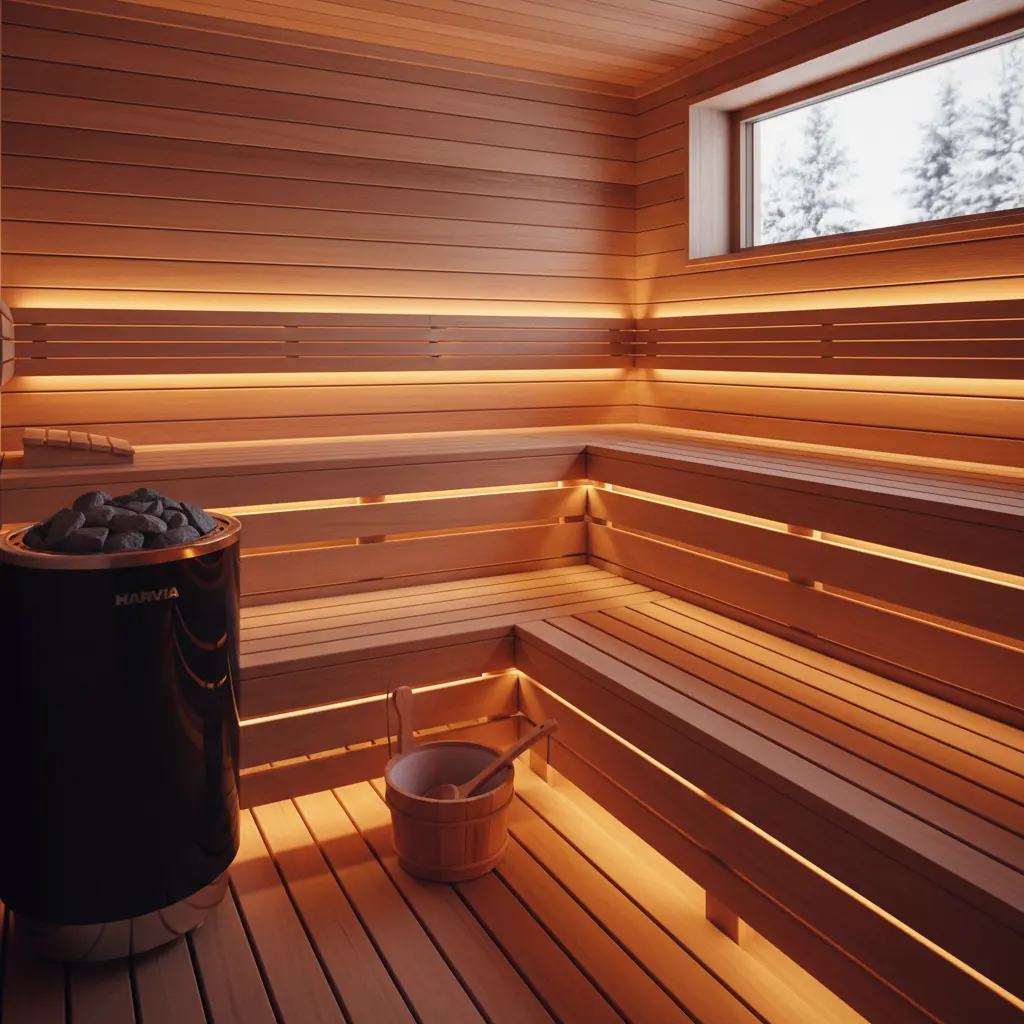
Finland has 3.3 million saunas for a population of 5.5 million people—roughly one sauna per household. This isn't coincidence or excess. For Finns, sauna is as essential as kitchen or bedroom, woven into daily life for over 2,000 years.
Understanding Finnish sauna culture reveals why this simple practice—sitting in a hot room—has persisted across millennia and is now gaining global recognition for documented health benefits.
A Brief History of Finnish Sauna
Origins
The Finnish sauna evolved from pit dwellings dug into hillsides, heated by fire and used for both shelter and bathing. The word "sauna" is one of few Finnish words adopted into English, reflecting the practice's Finnish origins.
By the medieval period, saunas had become separate structures—small wooden buildings with stone stoves that could be heated intensely. These served multiple purposes:
- Bathing - The cleanest space available
- Birthing - Warmest, most sterile environment for childbirth
- Healing - Treatment space for illness and injury
- Social gathering - Community bonding space
- Spiritual practice - Rituals and contemplation
Cultural Significance
Finnish identity and sauna are inseparable. Business deals are concluded in saunas. Families gather weekly for sauna nights. The practice transcends class, age, and gender—a democratizing force in Finnish society.
When Finland was under foreign rule, saunas remained. When Finns emigrated, they built saunas in new lands. The practice proved more durable than political boundaries.
Modern Evolution
Today's Finnish saunas range from traditional smoke saunas (savusauna) to modern electric units. The core experience remains unchanged: intense dry heat, followed by cooling, repeated in cycles that cleanse body and mind.
Finland added sauna to UNESCO's list of Intangible Cultural Heritage in 2020—official recognition of what Finns have always known: sauna is culture, not just activity.
Types of Saunas
Traditional Wood-Fired (Puusauna)
The most common Finnish sauna, heated by a wood-burning stove (kiuas) topped with stones. Wood fire provides gentle, enveloping heat that many consider superior to electric alternatives.
Characteristics:
- Temperature: 70-90°C (158-194°F)
- Heating time: 1-2 hours
- Atmosphere: Soft heat, wood smoke aroma
- Maintenance: Higher (fire tending, wood supply)
Smoke Sauna (Savusauna)
The oldest type, heated by burning wood without a chimney. Smoke fills the room during heating, then clears before use. Considered the purest sauna experience by traditionalists.
Characteristics:
- Temperature: 60-80°C (140-176°F)
- Heating time: 4-8 hours
- Atmosphere: Softest heat, distinctive smoke aroma
- Availability: Rare, special occasion
Electric Sauna
Modern convenience brought electric stoves that heat quickly and maintain consistent temperature. Most home saunas today use electric heaters.
Characteristics:
- Temperature: 70-90°C (158-194°F)
- Heating time: 30-45 minutes
- Atmosphere: Consistent heat, no smoke
- Maintenance: Minimal
Infrared "Sauna"
Technically not a sauna by Finnish definition. Uses infrared light to heat the body directly rather than heating the air. Lower temperatures, different sensation.
Characteristics:
- Temperature: 40-60°C (104-140°F)
- Heating time: 10-15 minutes
- Atmosphere: Mild warmth, no löyly possible
- Distinction: Different practice than traditional sauna
The Sauna Ritual
Finnish sauna follows a traditional pattern refined over generations.
Preparation
Heat the sauna - Wood-fired requires 1-2 hours; electric 30-45 minutes. Target temperature 70-90°C.
Gather supplies:
- Towels (one to sit on, one for drying)
- Water for drinking
- Bucket and ladle for löyly
- Birch whisk (vihta) if using
Shower first - Enter clean. This is both hygienic and traditional.
Remove jewelry and watches - Metal heats and can burn. Watches may be damaged.
The Sauna Session
Enter and sit - Higher benches are hotter. Start lower if new to sauna.
Adjust to heat - Sit quietly, breathe normally, allow body to warm.
Löyly - Pour water on hot stones to create steam burst. This temporarily intensifies heat and humidity. "Löyly" refers to both the steam and the spirit of the sauna.
Vihta (optional) - Gently brush skin with birch whisk to stimulate circulation and release birch aroma.
Duration - 10-20 minutes per session, based on comfort. Leave when ready, not when suffering.
Cooling Phase
Exit and cool - Step outside into cool air, or:
- Cold shower
- Jump in lake or snow (traditional)
- Cold plunge pool
- Simply sit in cool room
Duration - 2-5 minutes, until core temperature begins dropping
Hydrate - Drink water or light beverage
Repeat and Rest
Return to sauna - After cooling, return for another round
Typical session - 3-4 complete cycles (heat-cool-rest)
Final rest - After last sauna round, rest at room temperature until body normalizes
Total time - 1-2 hours for complete experience
Etiquette
Silence is valued - Conversation is fine but not required. The sauna is a place for quiet reflection.
Respect the space - Keep voices low, movements calm.
Nudity is normal - In Finland, saunas are typically nude. Towels are for sitting, not covering. (Cultural norms vary elsewhere.)
Ask before löyly - If sharing sauna, ask before adding water to stones.
Clean up - Rinse bench after use, leave space tidy.
Health Benefits of Regular Sauna Use
Research on Finnish populations—where sauna use is frequent and lifelong—reveals striking health correlations.
Cardiovascular Health
A landmark study following 2,315 Finnish men for 20+ years found:
- 4-7 sauna sessions weekly reduced cardiovascular death risk by 50% compared to once weekly
- Longer sessions (19+ minutes) showed greater benefit than shorter ones
- Benefits increased with both frequency and duration
The mechanism: Heat exposure provides cardiovascular exercise. Heart rate increases, blood vessels dilate, circulation improves—similar to moderate physical exercise.
Brain Health and Dementia
The same study found:
- 4-7 sessions weekly reduced dementia risk by 65%
- Alzheimer's risk specifically reduced by 65%
- Dose-response relationship - more sauna, more protection
Proposed mechanisms include improved cardiovascular health (brain depends on good circulation), reduced inflammation, and heat shock protein production.
Longevity
All-cause mortality (death from any cause) dropped significantly with sauna use:
- 2-3 sessions weekly: 24% reduced risk
- 4-7 sessions weekly: 40% reduced risk
These are substantial effects—comparable to regular exercise or not smoking.
Respiratory Health
Regular sauna users show:
- Reduced pneumonia incidence
- Improved lung function
- Relief from asthma symptoms
- Fewer respiratory infections
The combination of heat, humidity (during löyly), and deep breathing may explain these effects.
Mental Health
Sauna use correlates with:
- Reduced depression symptoms
- Lower anxiety levels
- Improved mood
- Better stress management
Heat exposure releases endorphins. The ritual of sauna provides dedicated relaxation time. Social sauna builds community connection.
Pain and Recovery
Athletes and those with chronic pain benefit from:
- Reduced muscle soreness after exercise
- Improved joint mobility
- Decreased inflammation
- Accelerated recovery between training sessions
Contrast Therapy: Amplifying Benefits
The Finnish sauna tradition includes contrast—alternating hot and cold exposure. This intensifies benefits beyond heat alone.
The Physiological Response
During heat: Blood vessels dilate, heart rate increases, blood flows to skin
During cold: Blood vessels constrict rapidly, blood rushes to core organs, norepinephrine surges
Repeated cycling: This "vascular gymnastics" exercises your circulatory system, improving its responsiveness
How to Practice Contrast
After sauna session:
- Exit sauna when thoroughly heated
- Immerse in cold water (lake, pool, shower) or roll in snow
- Stay cold for 30 seconds to 3 minutes
- Rest briefly at room temperature
- Return to sauna
Cold options by intensity:
- Cool shower: Gentle introduction
- Cold shower: Moderate intensity
- Cold plunge (50-60°F): Traditional
- Ice water or snow: Maximum intensity
Build tolerance gradually. Start with cool and work toward cold over weeks.
Additional Benefits from Cold
Cold exposure specifically:
- Increases norepinephrine - Improves focus, mood, attention
- Activates brown fat - Increases metabolic rate
- Reduces inflammation - Systemic anti-inflammatory effect
- Improves resilience - Training stress adaptation
Starting Your Sauna Practice
Finding Access
Gym saunas: Many fitness facilities have saunas. Quality varies—look for proper temperature (70°C+) and löyly capability.
Public saunas: Some cities have bathhouses or dedicated sauna facilities.
Home saunas: Installation options range from $2,000 (pre-fab electric) to $20,000+ (custom built).
Retreat destinations: Hot springs resorts and wellness centers increasingly offer authentic sauna experiences.
Building Tolerance
If you're new to sauna:
Week 1-2:
- 5-10 minute sessions
- Lower bench position
- No or minimal löyly
- Cool shower after (not cold plunge)
Week 3-4:
- 10-15 minute sessions
- Try upper bench
- Add gentle löyly
- Experiment with cooler water
Week 5+:
- 15-20 minute sessions
- Full heat tolerance
- Regular löyly
- Add cold exposure if desired
Listen to your body. Dizziness, nausea, or extreme discomfort means you've pushed too far. Exit immediately and cool down.
Safety Considerations
Avoid sauna if you have:
- Uncontrolled high blood pressure
- Recent heart attack or unstable cardiovascular disease
- Pregnancy (especially first trimester)
- Acute illness with fever
- Open wounds
During sauna:
- Stay hydrated
- Avoid alcohol (impairs temperature regulation)
- Exit if feeling unwell
- Don't push through discomfort
After sauna:
- Rest before driving or operating machinery
- Rehydrate thoroughly
- Eat something if hungry
Building Sauna Into Life
Frequency Recommendations
Based on Finnish research:
- Minimum: 1-2 times weekly for basic benefits
- Optimal: 4-7 times weekly for maximum documented benefit
- Traditional: Daily or near-daily (Finnish norm)
Even once weekly provides benefit. More frequent use amplifies effects.
When to Sauna
Evening: Most popular timing. Helps transition from work to rest. Improves sleep when done 2-3 hours before bed.
After exercise: Aids recovery, extends post-workout relaxation.
Morning: Energizing, especially with cold finish. Less common but effective.
Social occasions: Sauna gatherings build community and provide dedicated unplugged time.
Creating Ritual
The power of sauna increases when treated as ritual rather than routine:
- Consistent timing helps build habit
- Preparation ritual (heating sauna, gathering supplies) creates transition
- Dedicated time without rushing honors the practice
- Post-sauna reflection extends benefits
Experience Finnish Sauna Tradition
Sauna isn't complicated. Heat, steam, cooling, rest—the elements are simple. What transforms it from hot room to life practice is intention, consistency, and respect for tradition.
Whether you access sauna at a gym, seek out dedicated facilities, or invest in home installation, the 2,000-year-old Finnish tradition offers proven benefits for modern life.
Experience authentic sauna practice at LuxeDen Resorts near Twin Falls, Idaho. Join our VIP list for early access, opening Summer 2027 with Finnish-style saunas and cold plunge facilities alongside private soaking tubs at every glamping dome. Riverside serenity pairs perfectly with traditional sauna practice — heat, cold, water, rest.